Choosing the Best Air Mattress for Patients with Bedsores
For individuals with limited mobility, preventing and treating pressure ulcers is a critical aspect of healthcare. An air mattress for patients with bedsores is not just a piece of equipment, but a life-enhancing tool designed to redistribute pressure and promote healing. By utilizing advanced air-cell technology, these mattresses reduce the constant friction and pressure on bony prominences, which are the primary causes of skin breakdown. In this guide, we will explore how to select the right support system to ensure patient comfort and clinical effectiveness.
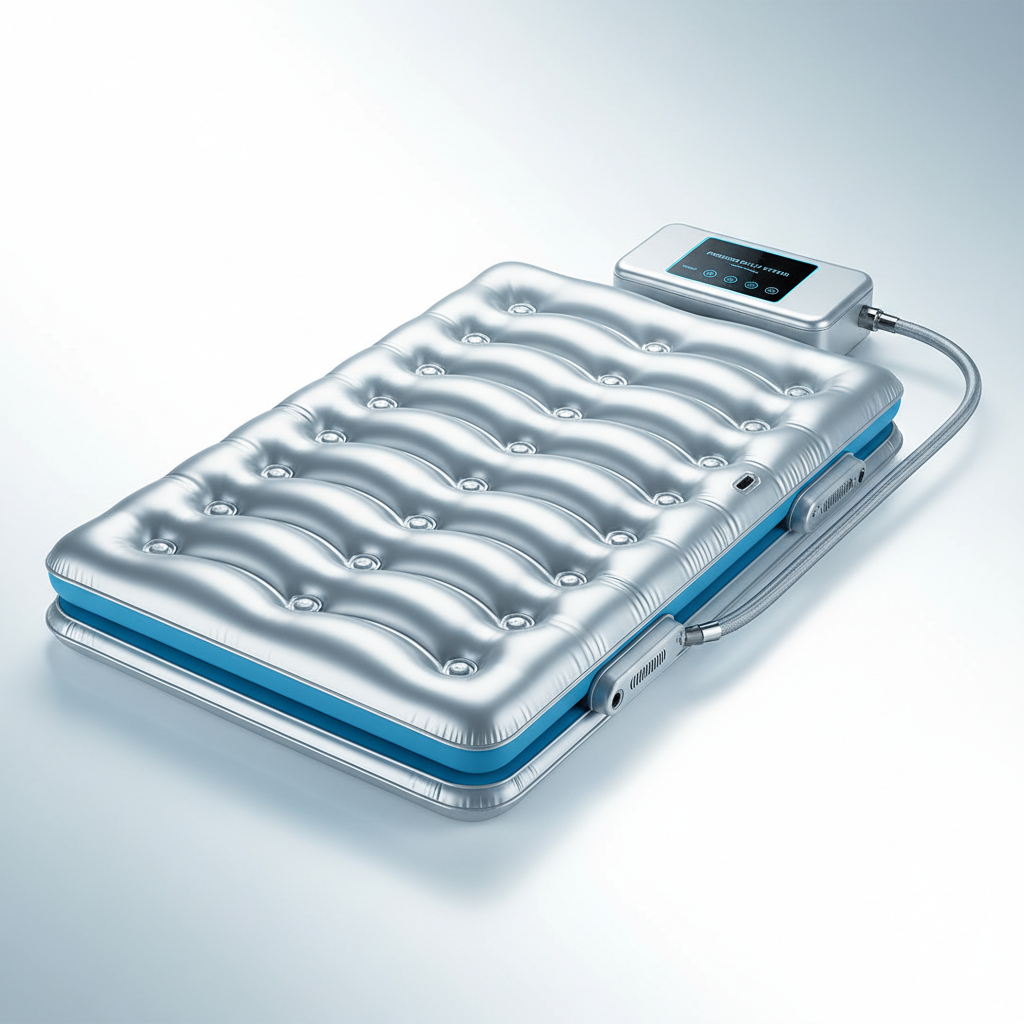
How an Air Mattress for Patients with Bedsores Works
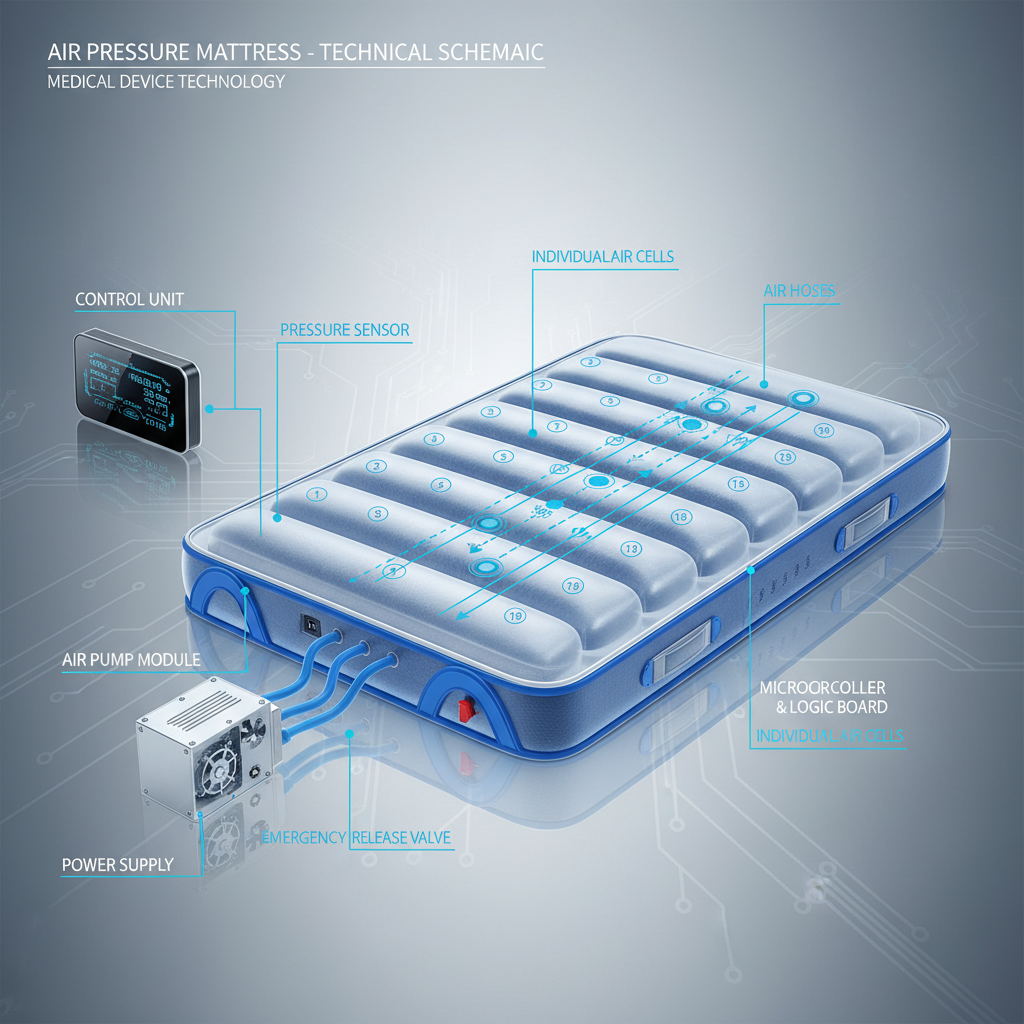
The fundamental goal of an air mattress for patients with bedsores is to minimize "interface pressure." Unlike standard foam mattresses, which can create hotspots of high pressure, air mattresses use a pump to inflate and deflate specific cells in a timed cycle. This process, known as alternating pressure therapy, ensures that no single area of the patient's body bears weight for too long, allowing blood to flow back into compressed tissues and accelerating the healing of existing sores.
Clinical Impact: Regular use of alternating pressure systems can significantly reduce the incidence of Stage II and Stage III pressure ulcers by maintaining skin integrity and reducing shear forces during repositioning.
Types of Air Mattresses and Their Applications
Not all air mattresses are created equal. Depending on the severity of the bedsores, a caregiver may need a different level of intervention. Low-pressure mattresses are typically used for prevention, while high-specification alternating systems are reserved for active wound management. Understanding the difference between static air, low-air-loss, and alternating pressure is key to optimizing the recovery environment for the patient.
Comparing Air Mattress for Patients with Bedsores Options
When evaluating an air mattress for patients with bedsores, it is essential to compare the technical capabilities of different systems. While a basic bubble mattress offers slight pressure relief, a professional-grade alternating system provides active therapy. The following table compares the three most common types used in home and clinical care.
Key Specifications for a Medical Grade Air Mattress
When purchasing from a professional supplier like Chuangen Medicals, paying attention to technical specifications is vital. The material must be breathable to prevent moisture buildup, and the pump must be quiet enough to ensure the patient can sleep undisturbed. Below are the standard specifications you should look for in a high-quality therapeutic mattress.
Maintenance Tips for Your Air Mattress
To ensure the longevity of your air mattress for patients with bedsores, regular maintenance is required. Check for air leaks daily by listening for hissing sounds or observing the inflation cycle. Ensure the pump filters are clean to prevent overheating. Using a high-quality waterproof cover can protect the air cells from spills and contaminants, while also making the mattress easier to sanitize in a medical environment.
Integrating Air Mattresses into a Care Plan
While a specialized mattress is powerful, it should be part of a holistic care strategy. This includes regular repositioning (even with an air mattress), nutritional support to help skin heal, and diligent skin inspections. By combining the mechanical benefits of an air system with professional nursing care, the recovery time for bedsores can be significantly shortened, reducing the risk of systemic infections like sepsis.
Conclusion: Enhancing Life Quality with Proper Support
Choosing a high-quality air mattress for patients with bedsores is a critical investment in a patient's health and dignity. By effectively managing pressure and improving the microclimate of the skin, these mattresses prevent the devastating complications of pressure ulcers. Whether for home use or clinical settings, prioritizing medical-grade equipment ensures safety, comfort, and a faster path to recovery.
Frequently Asked Questions (FAQs)
Can an air mattress completely cure bedsores?
An air mattress is a therapeutic tool designed to manage pressure, which is a primary cause of bedsores. While it cannot "cure" a wound on its own, it provides the necessary environment for the body to heal by removing the pressure that inhibits blood flow. For complete healing, the mattress must be used in conjunction with wound care, proper nutrition, and medical supervision. It is highly effective at preventing new sores and stopping existing ones from worsening.
How do I choose the correct pressure setting for the patient?
Pressure settings should be based on the patient's weight and the sensitivity of their skin. Most medical air mattresses come with a weight guide. A common method is the "hand test": slide your hand under the patient's lower back or hips; you should feel a small gap between the patient and the mattress, indicating they are "floating" and not bottoming out. If the patient is touching the bed frame, the pressure must be increased. Always consult a healthcare provider for specific settings.
Is it necessary to turn the patient if they are on an alternating air mattress?
Yes, turning the patient is still recommended. While the air mattress for patients with bedsores automatically shifts pressure, it cannot replace the total relief provided by a full body position change. Repositioning helps with lung drainage, improves circulation in areas the mattress might not fully reach, and prevents skin shearing. A common schedule is every 2 to 4 hours, depending on the patient's condition.
How often should the air pump be replaced?
Medical-grade pumps are designed for 24/7 operation and typically last several years. However, you should replace the pump if you notice a significant increase in noise, a decrease in the inflation speed of the cells, or if it fails to maintain the set pressure. Regular cleaning of the air intake filter can extend the pump's life. We recommend a professional inspection once a year to ensure the system is delivering the correct therapeutic pressure.