Understanding Air Bed for Bed Sores Price & Finding the Right Solution
Prolonged pressure on the skin, often experienced by individuals with limited mobility, can lead to the development of bed sores (pressure ulcers). An air bed for bed sores provides crucial pressure redistribution, helping to prevent and treat these painful conditions. But navigating the options and understanding the price of these beds can be complex. This article will explore the factors influencing the cost, different types available, and what to consider when choosing an air bed to manage and prevent bed sores. Investing in a high-quality air bed is an investment in patient comfort and well-being.
Factors Affecting the Price of Air Beds for Bed Sores
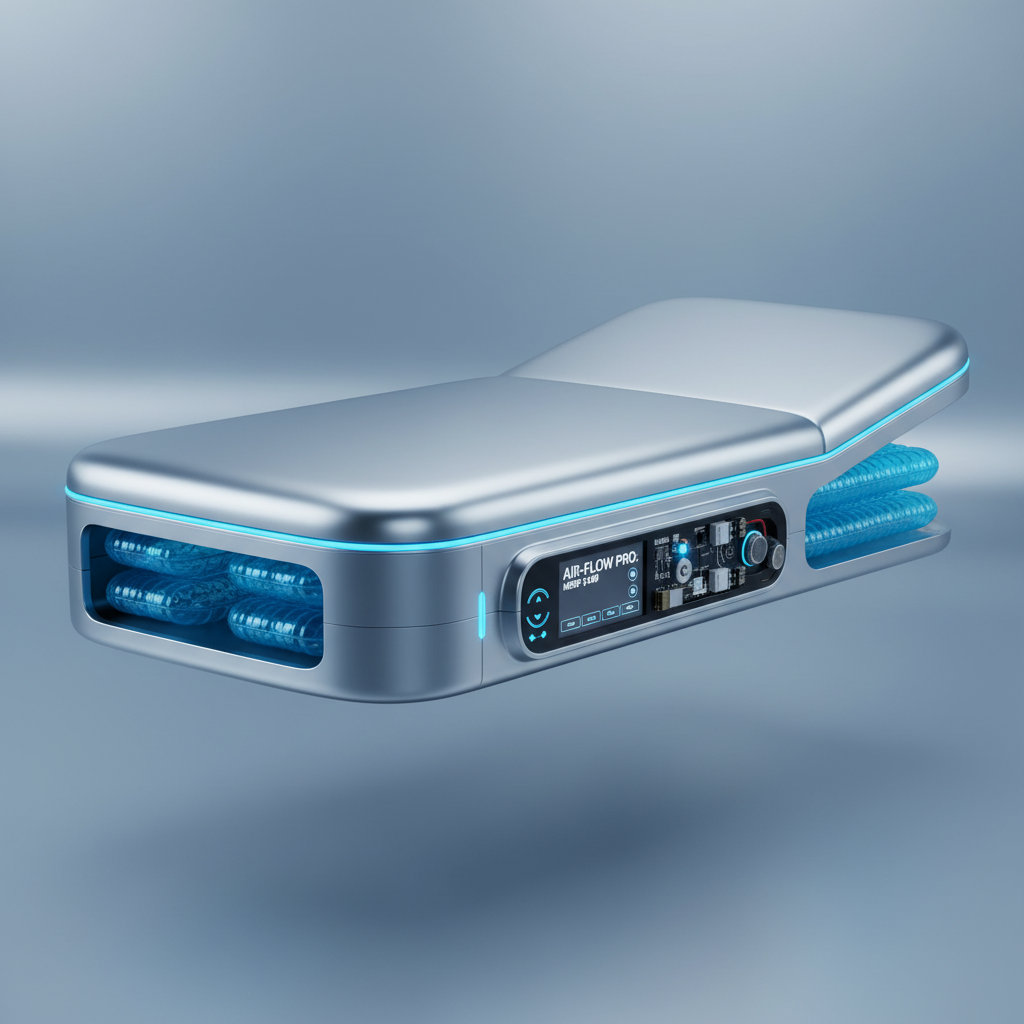
The cost of an air bed for bed sores can vary significantly, ranging from a few hundred to several thousand dollars. Several key factors contribute to this price variation. The type of air bed (alternating pressure, low air loss, etc.) is a major determinant. Beds with more advanced features, like digital controls, multiple pressure settings, and integrated weight sensors, typically command higher prices. The size and weight capacity of the bed also play a role, with larger and heavier-duty beds costing more. Furthermore, the brand reputation and included accessories, such as pumps and repair kits, can impact the overall price. Considering your specific needs and budget is essential when evaluating different options.
Key Considerations: Features, size, weight capacity, brand reputation, and included accessories all influence the price of an air bed.
Types of Air Beds & Their Price Ranges
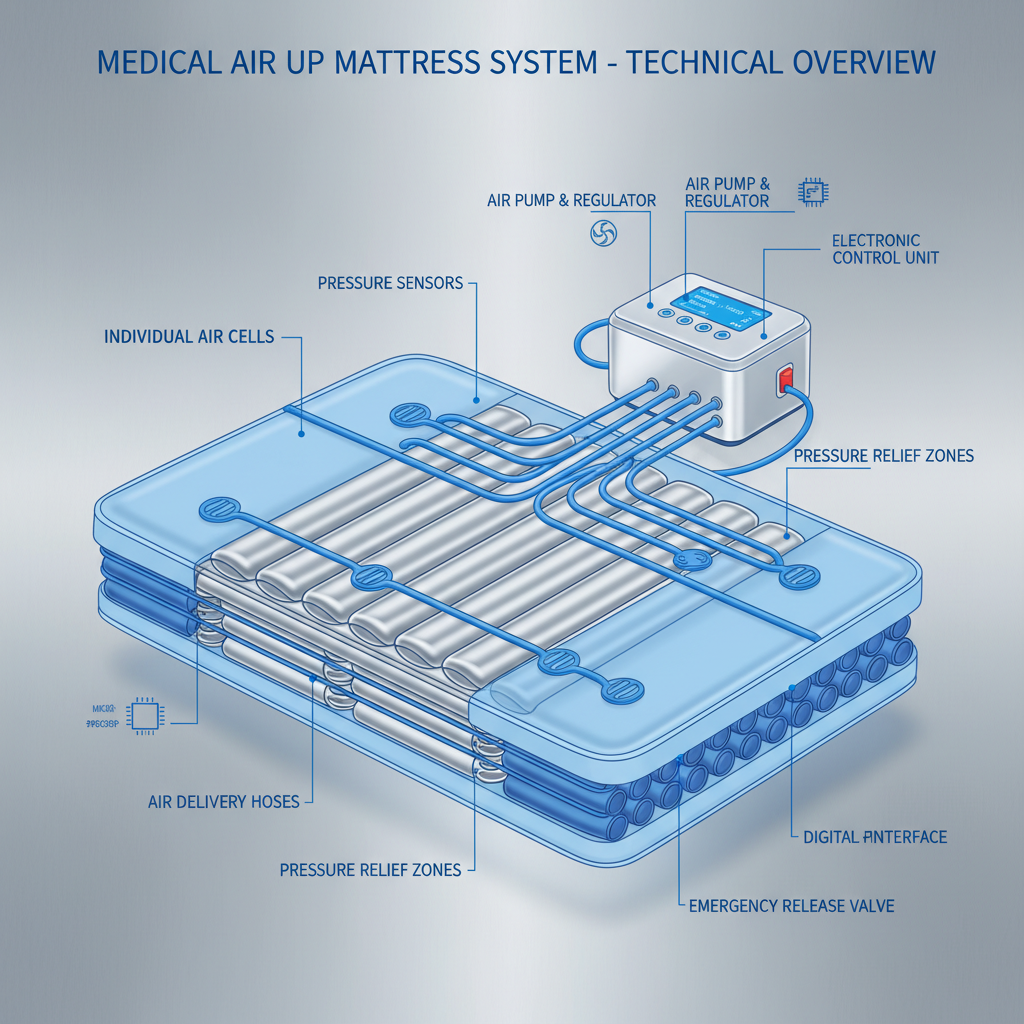
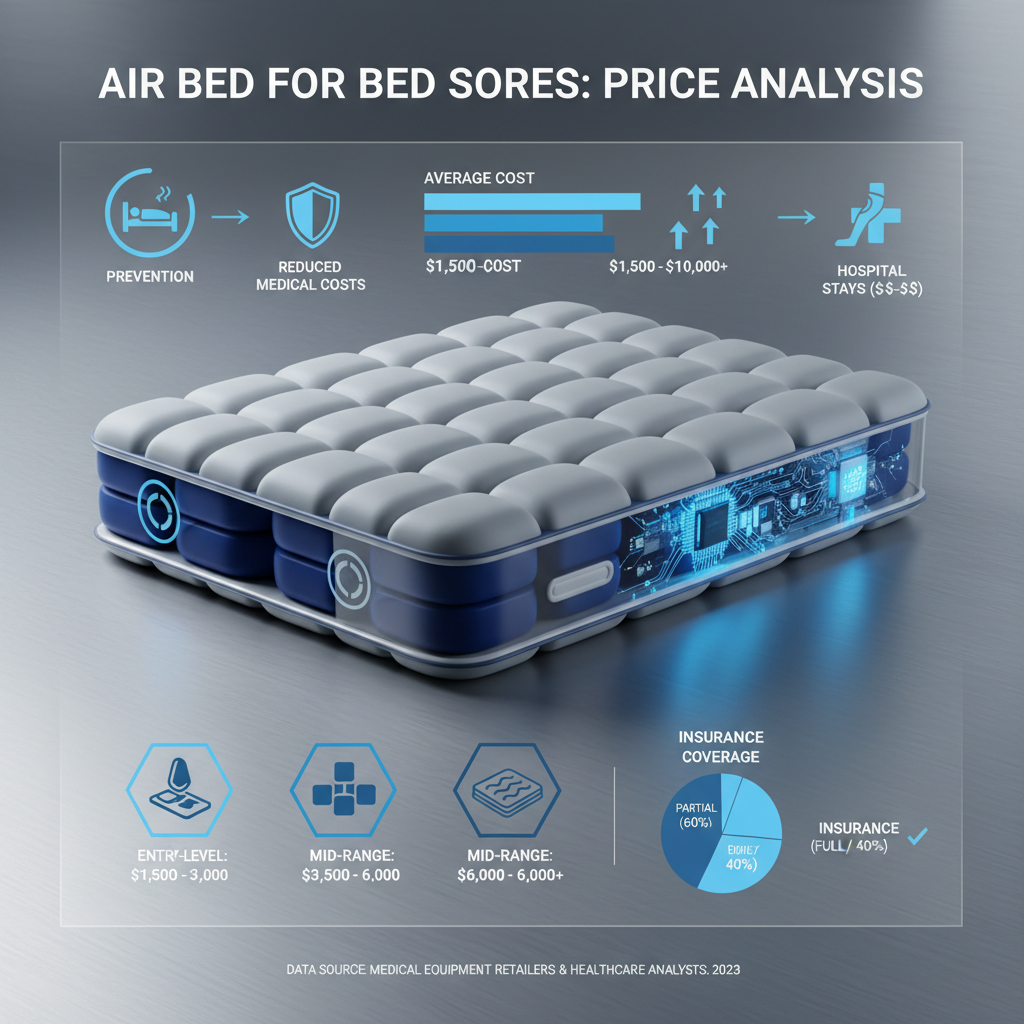
Different types of air beds are designed for varying levels of pressure ulcer risk and patient needs. Alternating pressure air beds, which cyclically inflate and deflate air cells to redistribute pressure, are generally the most affordable, ranging from $300 to $1,500. Low air loss beds, which provide continuous airflow to keep the skin dry and cool, are more expensive, typically costing between $1,500 and $3,000. Specialty beds, such as those with integrated scales or advanced microclimate control, can exceed $3,000. Choosing the appropriate type depends on the severity of the patient’s condition, their individual risk factors, and the healthcare provider’s recommendations.
Air Bed Type Price Comparison:
• Alternating Pressure: $300 - $1,500
• Low Air Loss: $1,500 - $3,000
• Specialty Beds: $3,000+
Air Bed for Bed Sores Price: A Detailed Comparison
To help you understand the market better, here's a comparison of some popular air beds and their approximate price ranges. Prices can fluctuate depending on the vendor and any ongoing promotions. Remember to factor in shipping costs and potential warranty options when comparing prices. It's also crucial to ensure the bed meets relevant safety standards and certifications.
Factors to Consider When Choosing an Air Bed
Beyond the price, several factors should influence your decision. Patient weight and mobility level are critical considerations. The bed should be able to safely and comfortably support the patient’s weight. Consider the patient's skin integrity and the severity of their pressure ulcer risk. For individuals with existing wounds, a low air loss bed might be more appropriate. Also, evaluate the ease of use and maintenance of the bed, ensuring caregivers can operate it effectively. Finally, look for beds with durable construction and reliable warranties.
Where to Purchase and Potential Cost Savings
You can purchase air beds for bed sores from medical supply stores, online retailers, and directly from manufacturers like Chuangen Medicals. Exploring financing options or renting a bed can help manage costs. Also, check with your insurance provider to determine if they cover the cost of an air bed. Sometimes, a doctor's prescription is required for insurance coverage. Comparing prices from different vendors and looking for sales or discounts can also lead to potential savings.
Conclusion: Finding the Right Air Bed for Your Needs
Investing in the right air bed for bed sores is a crucial step in preventing and managing pressure ulcers. Understanding the factors influencing price, the different types available, and your individual needs will empower you to make an informed decision. Don't hesitate to consult with a healthcare professional to determine the best option for optimal patient care.
Frequently Asked Questions (FAQs)
How often should I replace the air bed mattress?
Generally, air bed mattresses should be replaced every 2-5 years, depending on usage and maintenance. Regular inspection for wear and tear, such as cracks or leaks, is crucial. Following the manufacturer's recommendations for cleaning and care can extend the lifespan of the mattress. If the mattress is no longer providing adequate pressure redistribution or is damaged in any way, it should be replaced immediately to prevent pressure ulcers.
Will insurance cover the cost of an air bed?
Insurance coverage for air beds varies depending on your policy and the medical necessity of the bed. Typically, insurance will cover the cost if a doctor prescribes the bed to prevent or treat pressure ulcers. You will likely need to provide documentation from your doctor explaining the medical necessity. It’s important to contact your insurance provider directly to understand your coverage and any required pre-authorization procedures.
How do I clean and maintain an air bed?
Cleaning and maintenance are vital for extending the life of your air bed and preventing infection. Always follow the manufacturer’s instructions. Typically, you can clean the mattress surface with a mild soap and water solution. Avoid harsh chemicals or abrasive cleaners. Regularly inspect the mattress for damage and ensure the pump is functioning correctly. Properly store the bed when not in use to protect it from dust and moisture.
What is the difference between alternating pressure and low air loss?
Alternating pressure air beds cyclically inflate and deflate air cells to redistribute pressure, reducing the risk of pressure ulcers. Low air loss beds, on the other hand, continuously circulate air across the skin surface, keeping it dry and cool, which is especially beneficial for individuals with existing wounds. Low air loss beds generally provide more comprehensive pressure relief and moisture management but are typically more expensive.