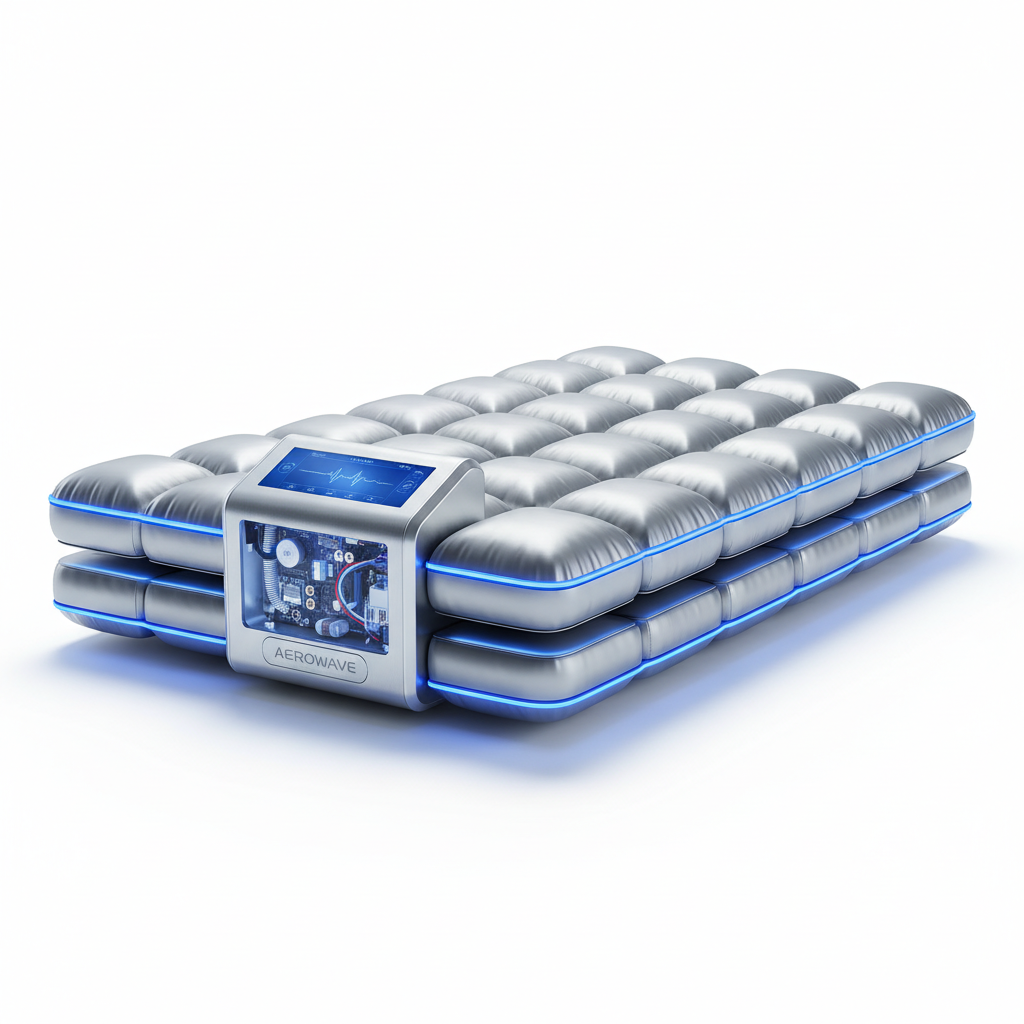
Understanding and Choosing the Right Anti Pressure Sore Cushion
Pressure sores, also known as bedsores, can be a significant concern for individuals with limited mobility. Fortunately, anti pressure sore cushions offer a proactive solution to prevent and manage these debilitating injuries. This article will explore the importance of pressure redistribution, different types of cushions available, key features to consider, and how to select the best option for individual needs. Preventing pressure sores enhances quality of life and reduces healthcare costs. We’ll guide you through everything you need to know to make an informed decision.
The Importance of Pressure Redistribution
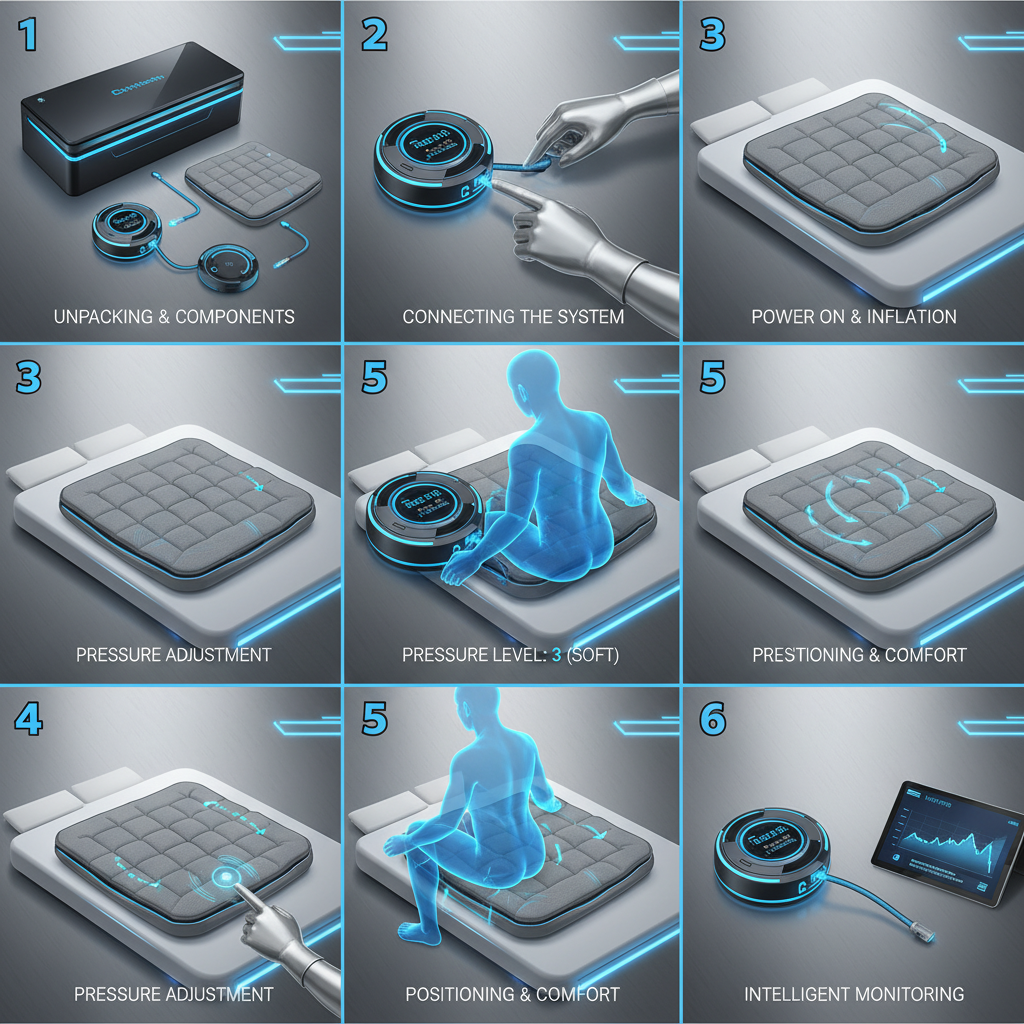
Prolonged pressure on bony prominences – such as the tailbone, hips, and heels – restricts blood flow, leading to tissue damage and ultimately, pressure sores. Anti pressure sore cushions work by redistributing this pressure over a larger surface area, reducing the concentration of force on any single point. This promotes healthy circulation and prevents tissue breakdown. Effective pressure redistribution is crucial for individuals who spend extended periods sitting or lying down, including those who are wheelchair-bound, bedridden, or recovering from surgery. Regular pressure relief is key, even with the use of a cushion, through repositioning and weight shifting.
Key Benefit: Reduces the risk of pressure sore development and accelerates healing for existing sores by improving circulation and minimizing tissue damage.
Types of Anti Pressure Sore Cushions
There are several types of anti pressure sore cushions available, each with its own advantages and disadvantages. Common types include foam cushions, gel cushions, air cushions, and hybrid cushions. Foam cushions are generally the most affordable, offering a basic level of pressure relief. Gel cushions provide better pressure distribution due to the fluid nature of the gel. Air cushions allow for adjustable pressure levels, adapting to individual needs. Hybrid cushions combine different materials, such as foam and gel, to maximize comfort and pressure relief. The best type of cushion will depend on the individual's risk level, mobility, and specific needs.
Cushion Type Comparison:
• Foam Cushions: Affordable, basic pressure relief.
• Gel Cushions: Improved pressure distribution, good for moderate risk.
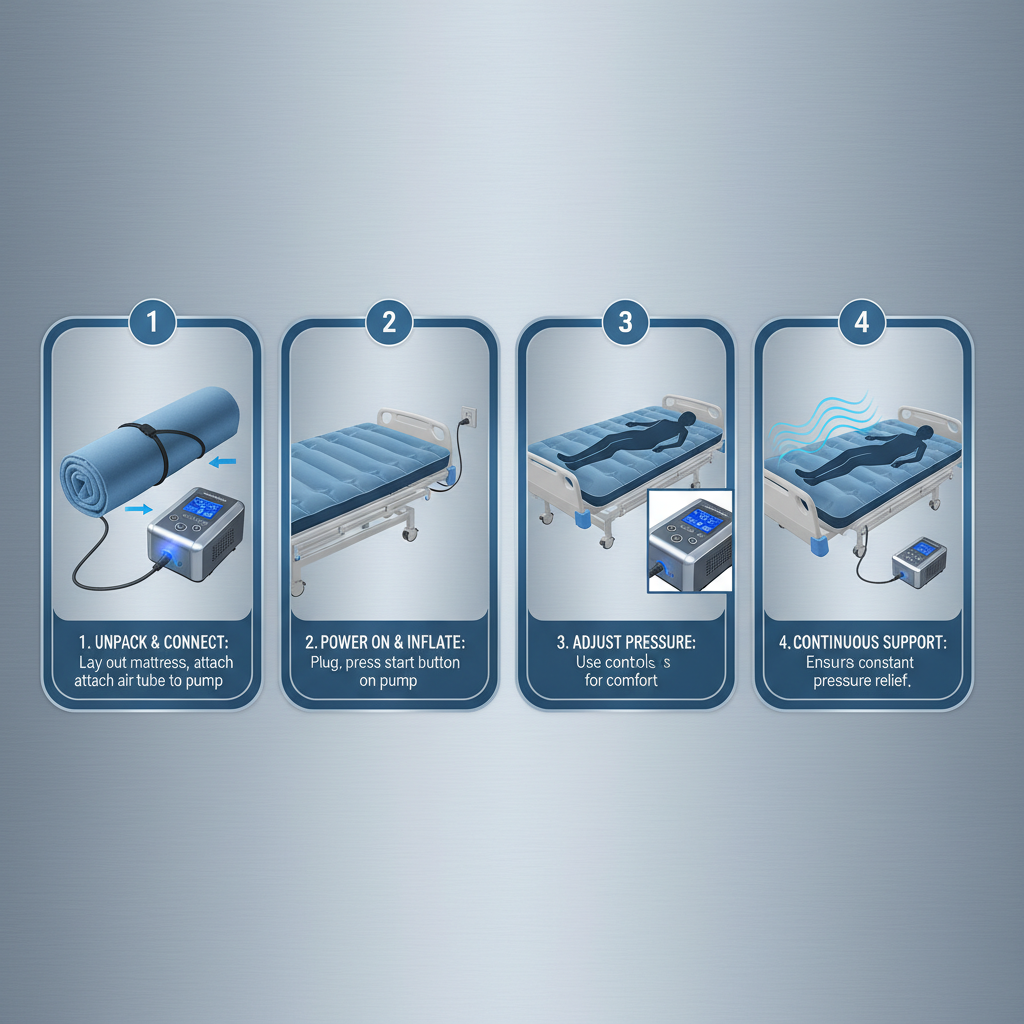
• Air Cushions: Adjustable pressure, ideal for high-risk individuals.
• Hybrid Cushions: Combine benefits for optimal comfort and relief.
Key Features to Look for in an Anti Pressure Sore Cushion
When selecting an anti pressure sore cushion, consider several key features. Look for cushions with a high-density foam or gel core for optimal support and pressure redistribution. Breathable covers are important to prevent heat and moisture buildup, which can contribute to skin breakdown. Waterproof or water-resistant covers protect the cushion from damage and make it easier to clean. Consider the cushion's size and shape to ensure it fits properly on the seating surface and provides adequate coverage. Finally, look for cushions that are easy to maintain and clean.
Choosing the Right Anti Pressure Sore Cushion for Your Needs
Selecting the right anti pressure sore cushion requires careful consideration of the individual’s risk factors, mobility level, and overall health. Individuals at high risk of developing pressure sores – such as those with spinal cord injuries, diabetes, or limited mobility – may benefit from air or hybrid cushions with adjustable pressure settings. Those with moderate risk may find gel or high-density foam cushions sufficient. It’s essential to consult with a healthcare professional to determine the most appropriate cushion for specific needs. Consider the user's weight and the duration they will be seated when making your decision.
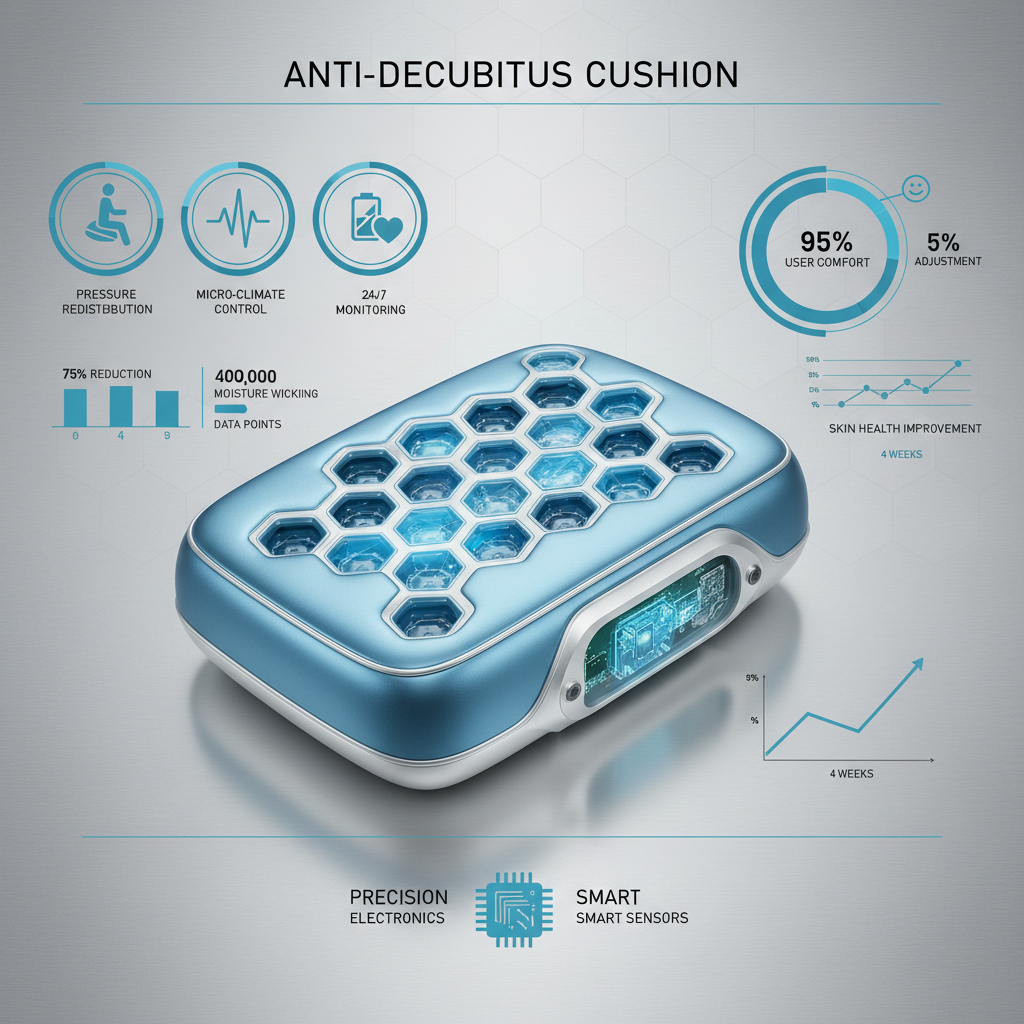
Product Specifications: Chuangen Medical's Anti-Pressure Cushions
Chuangen Medical offers a range of anti pressure sore cushions designed to provide superior comfort and protection. Here are specifications for our popular model:
Conclusion: Prioritizing Comfort and Prevention
Investing in a quality anti pressure sore cushion is a proactive step towards maintaining health, comfort, and independence. By understanding the different types of cushions, key features, and individual needs, you can make an informed decision that promotes pressure redistribution and prevents the development of debilitating pressure sores. Browse our selection at Chuangen Medical to find the perfect cushion for your needs.
Frequently Asked Questions (FAQs)
How often should I reposition myself when using a pressure sore cushion?
Even with the best anti pressure sore cushion, regular repositioning is crucial. As a general guideline, reposition every 1-2 hours if you are seated and every 2 hours if you are lying down. Weight shifting – lifting your buttocks slightly off the seat or turning from side to side – can also help to relieve pressure. Listen to your body and reposition whenever you feel discomfort or pressure. It is vital to remember that cushions are a preventative measure and shouldn't replace the need for regular movement and positional changes.
Can I use a pressure sore cushion on any chair or wheelchair?
Generally, yes, most anti pressure sore cushions are designed to fit on standard chairs and wheelchairs. However, it's important to ensure the cushion is appropriately sized for the seating surface. A cushion that is too small won't provide adequate coverage, while a cushion that is too large may be unstable. Check the cushion's specifications for recommended seat dimensions. Also, consider the chair's or wheelchair's stability – a very lightweight chair may become less stable with the added weight of the cushion.
How do I clean and maintain my anti pressure sore cushion?
Cleaning and maintenance depend on the cushion's material. Most cushions have removable, washable covers. Follow the manufacturer's instructions for washing the cover. For the cushion itself, gently wipe with a damp cloth and mild detergent. Avoid harsh chemicals or abrasive cleaners. Allow the cushion to air dry completely before using it. Regular cleaning helps to maintain hygiene and prevent skin irritation. Inspect the cushion regularly for any signs of damage or wear and tear.
What is the difference between static and dynamic cushions?
Static cushions, like foam and gel cushions, offer consistent support and pressure relief. Dynamic cushions, like air cushions, actively respond to movements and changes in position, automatically adjusting pressure levels. Dynamic cushions are generally more effective for individuals at high risk of developing pressure sores, as they provide continuous, adaptive support. However, static cushions can be a good option for those with lower risk levels and may be more affordable.