Understanding Bedsore Air Mattress Price and Finding the Right Solution
Pressure ulcers, commonly known as bedsores, pose a significant challenge for individuals with limited mobility. A key preventative and treatment measure is utilizing a specialized bedsore air mattress. But understanding the bedsore air mattress price spectrum is crucial for making an informed decision. This article will delve into the factors influencing cost, different types of mattresses, and how to choose a solution that balances price and quality. We’ll explore what contributes to the cost differences and guide you through finding the best option for your needs.
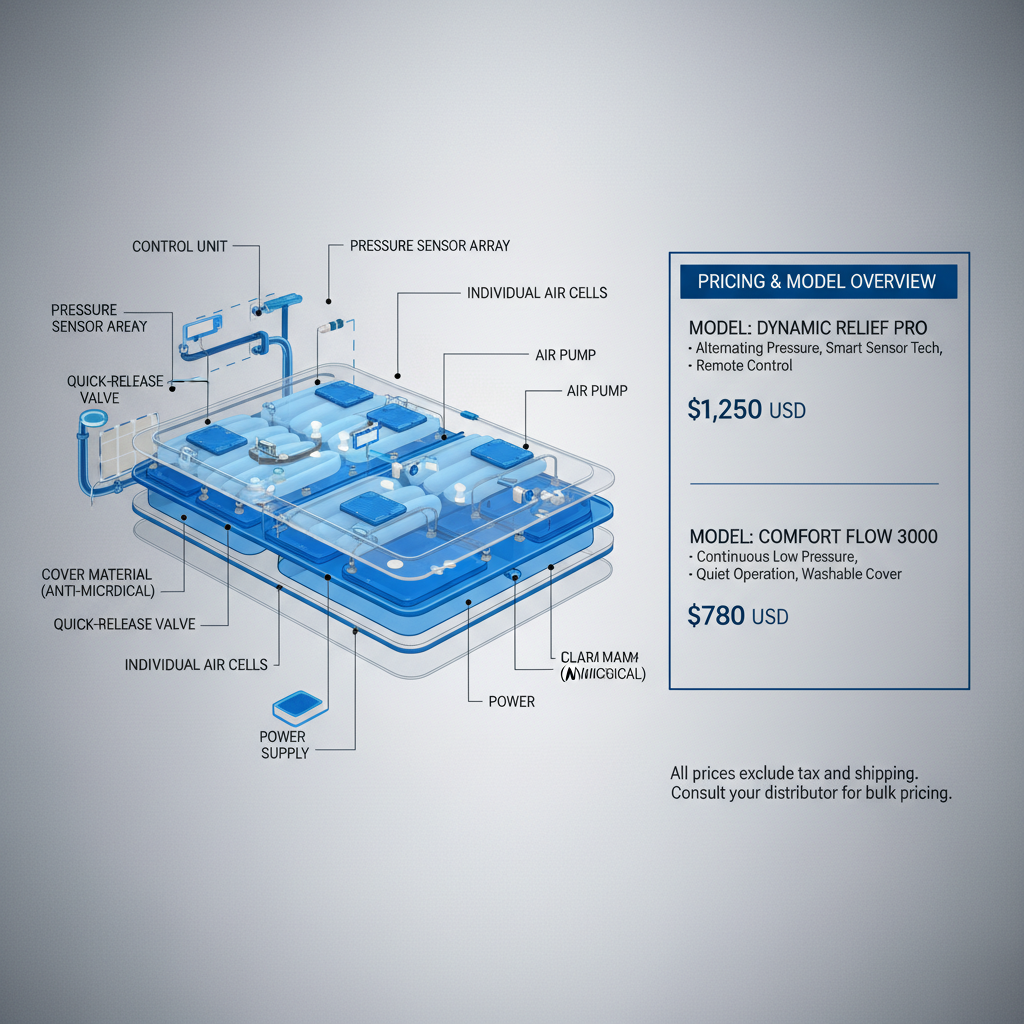
Factors Influencing Bedsore Air Mattress Price
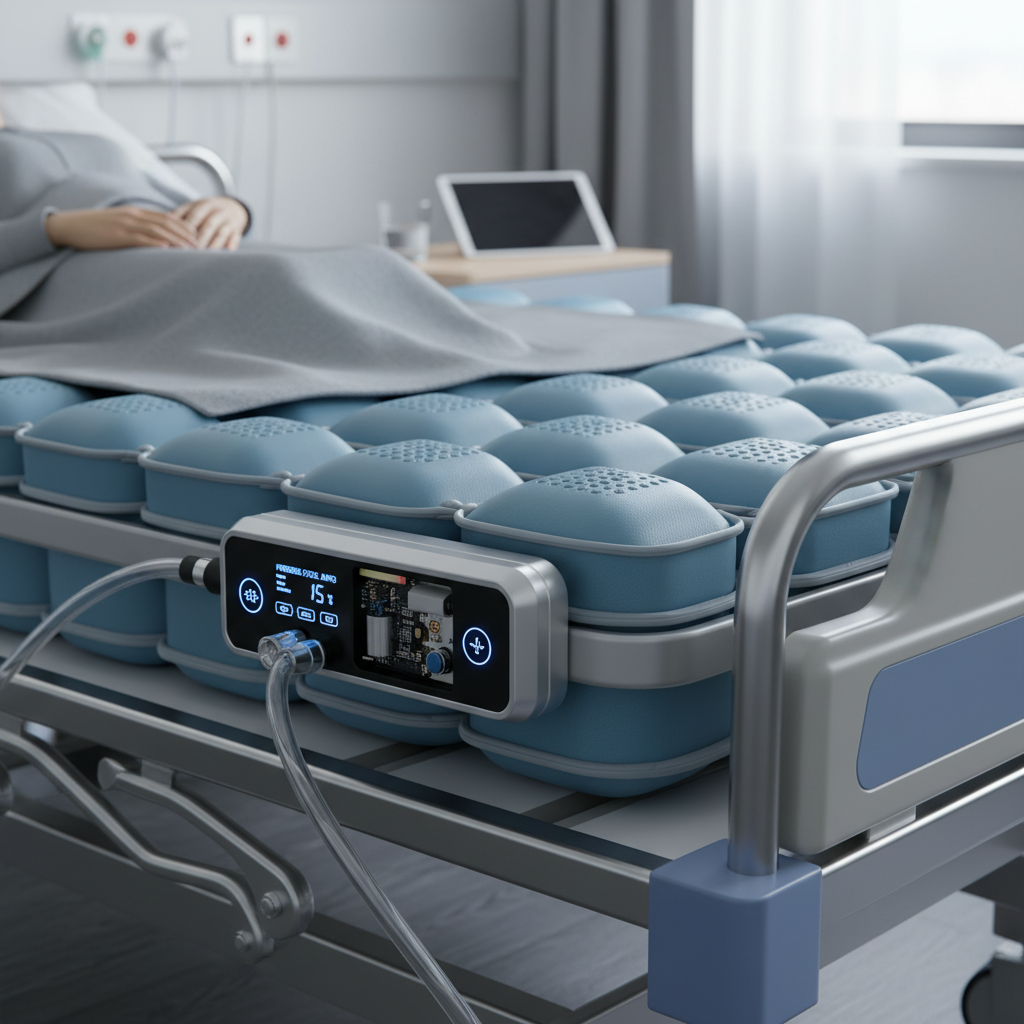
The price of a bedsore air mattress isn't a fixed number. Several key factors determine the final cost. These include the type of mattress (alternating pressure, low air loss, etc.), the number of air cells, the materials used in construction (vinyl, polyurethane), features like CPR quick-disconnect valves, and the brand reputation. Higher-end mattresses often incorporate advanced technologies like micro-adjustments and sensors to optimize pressure redistribution. The complexity of the system and the level of customization available also contribute to the price. Furthermore, the intended user’s weight and risk level will often dictate which type of mattress is required, impacting the cost.
Key Cost Drivers: Materials, Technology, Features, Brand, and Intended Use.
Types of Bedsore Air Mattresses and Their Price Ranges
Different types of air mattresses cater to varying levels of risk and patient needs. Here’s a breakdown of common types and their typical price ranges:
Comparing Leading Brands and their Bedsore Air Mattress Price Points
Several reputable brands offer high-quality bedsore air mattresses. Each brand differentiates itself through technology, materials, and price. Chuangen Medicals is known for its commitment to innovation and affordability, offering a range of mattresses to suit various budgets. Other notable brands include Drive Medical, Medline, and Hill-Rom. It's important to research different brands and compare their features and prices before making a purchase.
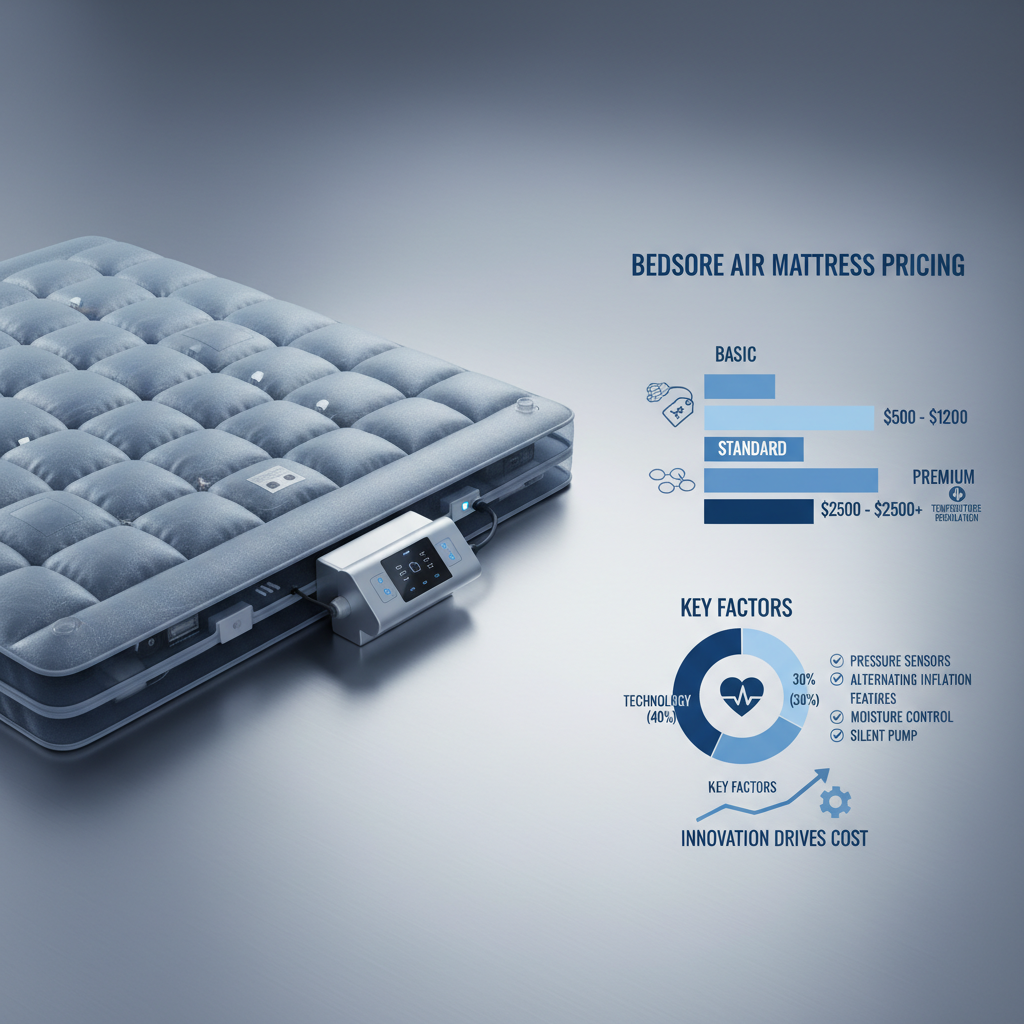
Chuangen Medicals: Balancing Quality and Bedsore Air Mattress Price
At Chuangen Medicals, we understand the importance of providing effective pressure injury prevention solutions at accessible price points. Our bedsore air mattresses are engineered with quality materials and innovative designs to deliver optimal pressure redistribution and comfort. We offer a variety of options to cater to different patient needs and budgets.
Here's a glimpse of our product specifications:
Conclusion: Finding the Right Bedsore Air Mattress for Your Needs
Choosing the right bedsore air mattress is a critical investment in patient care. Understanding the factors influencing the bedsore air mattress price, exploring different types, and comparing brands like Chuangen Medicals will empower you to make an informed decision that balances cost, quality, and patient comfort. Don't hesitate to consult with healthcare professionals to determine the best solution for individual needs.
Frequently Asked Questions (FAQs)
What factors should I consider when determining the right bedsore air mattress for a patient?
Several factors are crucial. First, assess the patient's risk level for developing pressure ulcers – high, moderate, or low. This dictates the type of mattress needed (alternating pressure, low air loss, or hybrid). Consider the patient’s weight and any underlying medical conditions. Also, think about the patient's comfort preferences and any allergies to materials. Finally, evaluate the ease of use and maintenance of the mattress for caregivers. A thorough assessment will help you choose a mattress that provides optimal protection and comfort.
How often should a bedsore air mattress be replaced?
Generally, bedsore air mattresses should be replaced every 2-5 years, depending on usage and maintenance. Regular inspection is key. Look for signs of wear and tear, such as cracks in the mattress, leaks in the air cells, or damage to the control unit. If the mattress is used frequently or by a heavier patient, it may need to be replaced sooner. Following the manufacturer’s recommendations is essential.
What is the difference between alternating pressure and low air loss mattresses?
Alternating pressure mattresses cycle air between cells to redistribute pressure, preventing prolonged pressure on any one area. Low air loss mattresses continuously draw air through the mattress, creating a cooler, drier environment that reduces moisture build-up and friction. Low air loss mattresses are typically recommended for patients with existing wounds or those at high risk for skin breakdown, while alternating pressure mattresses are suitable for moderate-risk patients.
Are bedsore air mattresses covered by insurance?
Coverage varies depending on your insurance plan and the patient’s medical needs. Generally, insurance will cover bedsore air mattresses if they are deemed medically necessary by a healthcare professional. A prescription and documentation supporting the medical necessity will usually be required. It’s best to check with your insurance provider to understand your specific coverage benefits and pre-authorization requirements.