Understanding and Choosing the Right Alternating Air Mattress
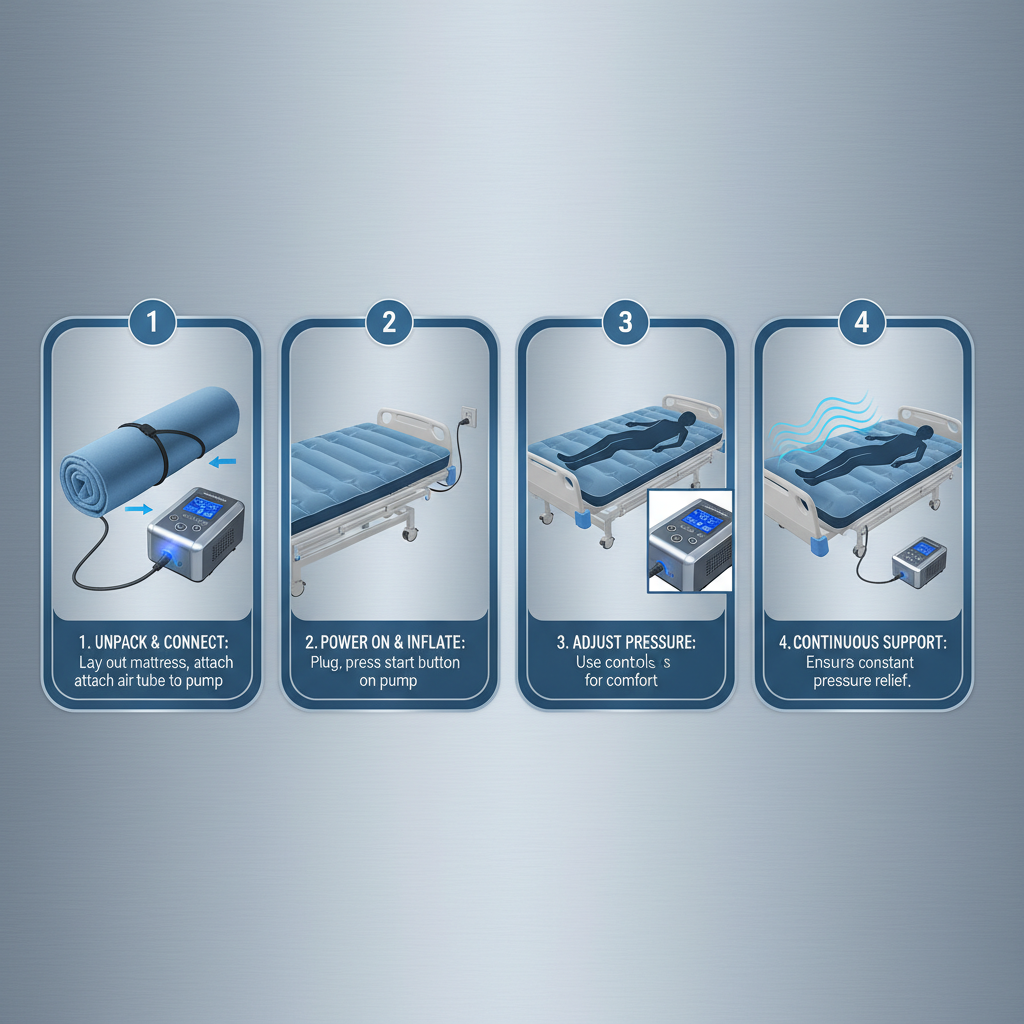
For individuals at risk of pressure ulcers, or those requiring long-term bed rest, an alternating air mattress can significantly improve comfort and prevent skin breakdown. These mattresses utilize alternating air cells to redistribute pressure, promoting circulation and reducing the risk of complications. This guide will explore the benefits, features, types, and considerations for selecting the optimal alternating air mattress. Investing in the right mattress is crucial for patient care and long-term health.
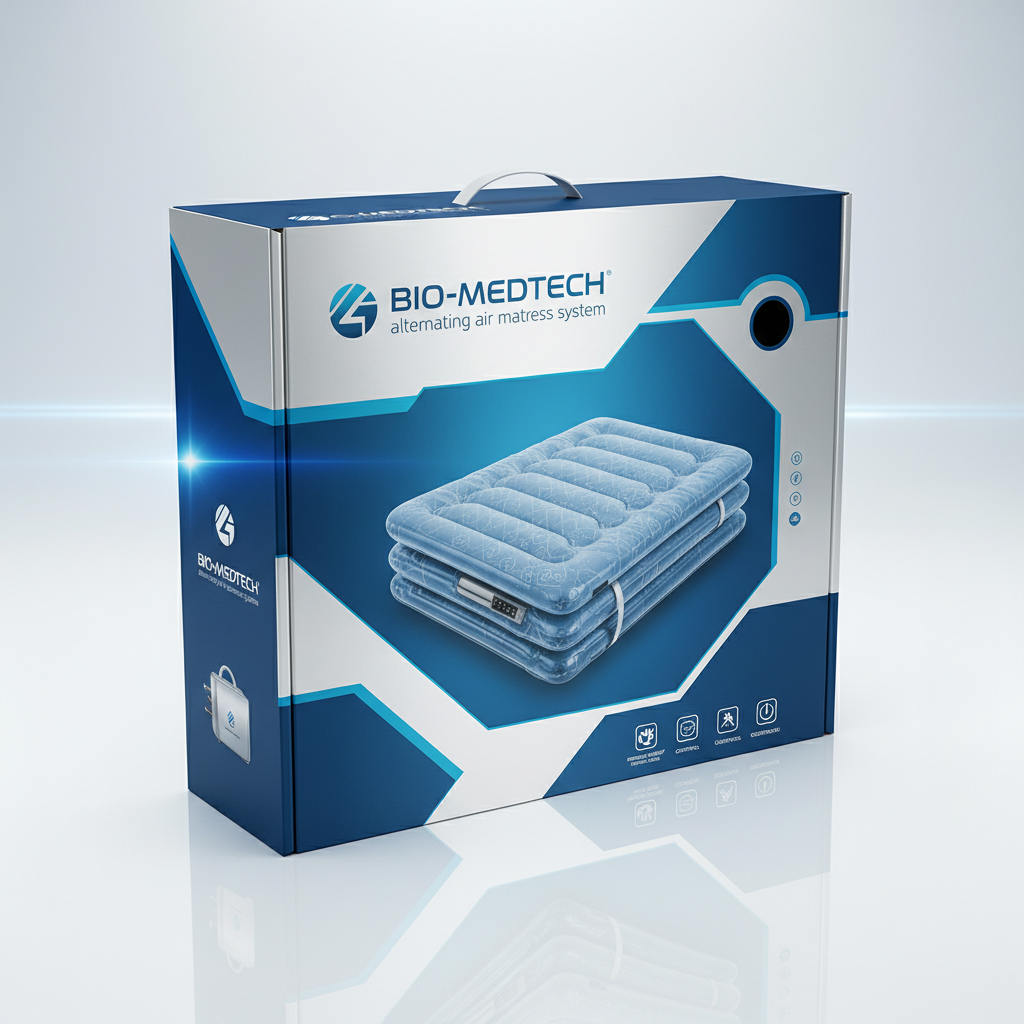
The Core Benefits of Using an Alternating Air Mattress
The primary benefit of an alternating air mattress is the prevention and treatment of pressure ulcers (bedsores). By constantly shifting the patient’s weight, it reduces sustained pressure on any single area of the body. This promotes blood flow, preventing tissue damage and promoting healing. Beyond pressure ulcer prevention, these mattresses enhance patient comfort, which contributes to improved sleep quality and overall well-being. They are particularly beneficial for patients with limited mobility, spinal cord injuries, or those recovering from surgery. Properly maintaining skin integrity is paramount, and an alternating air mattress offers a proactive approach to achieving this.
Key Advantages: Prevents pressure ulcers, enhances patient comfort, promotes blood circulation, reduces the risk of skin breakdown, and improves overall quality of life.
Types of Alternating Air Mattresses
Alternating air mattresses come in various designs to meet different needs. The main categories include:
- Alternating Pressure Mattresses: These are the most common type, featuring air cells that inflate and deflate in an alternating pattern.
- Low Air Loss Mattresses: These mattresses combine alternating pressure with a continuous, gentle flow of air to further reduce moisture and shear.
- Hybrid Mattresses: These combine air cells with foam layers for added comfort and support.
Choosing the right type depends on the patient's risk level, skin condition, and overall needs. Consulting with a healthcare professional is highly recommended to determine the most appropriate option.
Mattress Type Comparison:
• Alternating Pressure: Good for moderate risk patients.
• Low Air Loss: Ideal for high-risk patients and those with moisture concerns.
• Hybrid: Offers enhanced comfort and support.
Key Features to Consider When Choosing an Alternating Air Mattress
Several features contribute to the effectiveness and usability of an alternating air mattress. Consider these factors when making your selection:
- Cycle Time Adjustment: The ability to adjust the inflation/deflation cycle allows for personalized pressure relief.
- Weight Capacity: Ensure the mattress can safely support the patient's weight.
- CPR Valves: Quick-release valves allow for rapid deflation in emergency situations.
- Material Quality: Durable, waterproof, and easy-to-clean materials are essential.
- Noise Level: A quiet pump motor minimizes disruption to the patient.
Looking for features that enhance both patient safety and caregiver convenience will significantly improve the overall experience.
Comparing Popular Models & Specifications
Here’s a comparison of some commonly chosen models, demonstrating variations in specifications:
Proper Maintenance and Care
To ensure the longevity and effectiveness of your alternating air mattress, regular maintenance is vital. This includes:
- Regular Inspection: Check for leaks, tears, or damage to the mattress and pump.
- Cleaning: Wipe down the mattress with a mild detergent and water.
- Filter Maintenance: Clean or replace the pump filter as recommended by the manufacturer.
- Proper Storage: When not in use, store the mattress in a clean, dry place.
Conclusion: Investing in Comfort and Care
An alternating air mattress is a valuable investment in patient comfort and preventative care. By understanding the different types, key features, and maintenance requirements, you can choose the optimal mattress to meet your specific needs. Chuangen Medicals offers a range of high-quality alternating air mattresses designed for superior comfort and pressure relief.
Frequently Asked Questions (FAQs)
How often should I change the position of the patient on the mattress?
While the mattress is designed to redistribute pressure automatically, repositioning the patient every two hours is still crucial. This helps prevent skin breakdown in areas that may not be fully relieved by the mattress alone. Repositioning also encourages circulation and prevents stiffness. A consistent repositioning schedule should be incorporated into the patient's care plan. Consider using pillows and supports to maintain proper alignment during repositioning.
What is the difference between an alternating pressure mattress and a low air loss mattress?
An alternating pressure mattress uses air cells that inflate and deflate to change pressure points. A low air loss mattress combines this with a constant, gentle flow of air. The constant airflow helps reduce moisture buildup, which is crucial for patients at high risk of skin breakdown or with incontinence. Low air loss mattresses are often preferred for patients with heavier sweating or those prone to maceration (skin softening due to prolonged moisture exposure).
Can I use a standard mattress cover with an alternating air mattress?
It's generally recommended to use a mattress cover specifically designed for alternating air mattresses. Standard mattress covers can restrict airflow and compromise the mattress's effectiveness. These specialized covers are typically breathable and waterproof, protecting the mattress while maintaining its functionality. Check the manufacturer's instructions for recommended cover types.