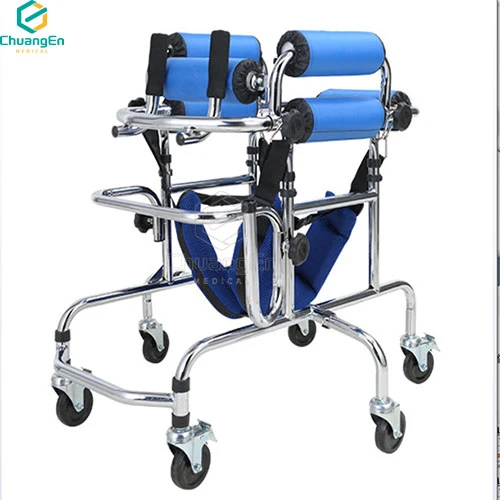
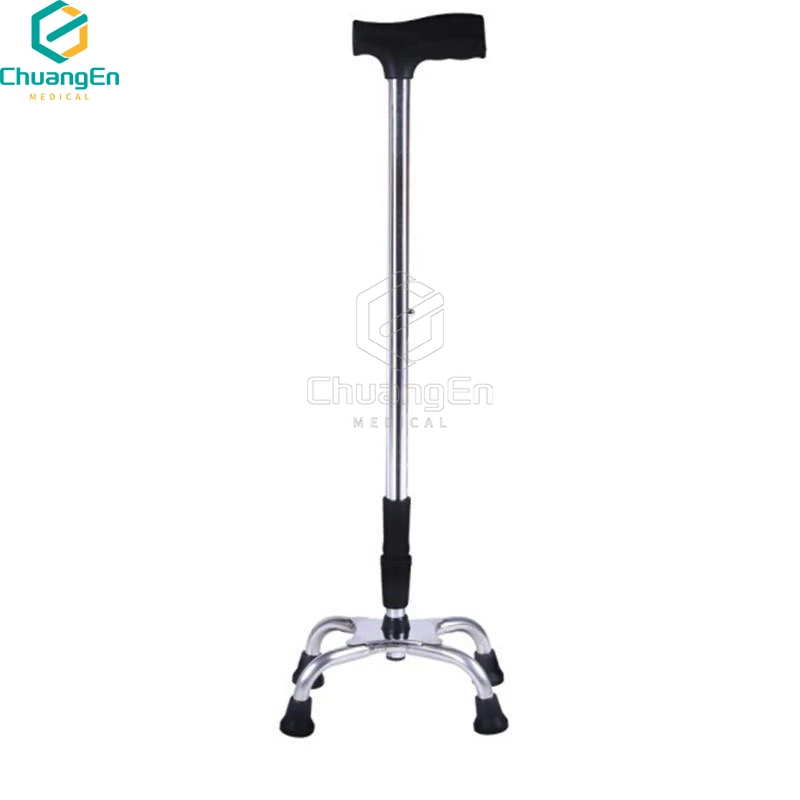
Choosing the right walking aid can make everyday movement safer and more comfortable for older adults. The best option depends on a person's balance, leg strength, walking ability, and where the aid will be used.
Some seniors only need light support from a walking cane. Others may need a walker or rollator with a wider base for better stability. For people with more serious mobility limitations, a specialized mobility aid may be more suitable.
So, what is the best walking aid for elderly people? There is no single answer for everyone. The right walking aid should match the user's physical needs and daily routine.
How to Choose the Best Walking Aid for Elderly People
Before choosing a mobility aid, consider four key factors: stability, support, weight, and ease of use.
A cane is often suitable for seniors who have mild balance problems but can still walk independently. A standard walker provides more stability because it has four contact points with the floor. A rollator adds wheels and often includes a seat, making it useful for seniors who need support while walking and frequent rest breaks.
The user's environment also matters. A lightweight cane may work well indoors and outdoors, while a larger walker can be harder to maneuver in narrow hallways or crowded spaces.
For seniors with significant weakness or poor balance, it is important to have a healthcare professional assess their mobility before selecting a walking aid.
Walking Cane: Best for Mild Support
A walking cane is one of the simplest walking aids for seniors. It is compact, lightweight, and easy to carry.
A cane can provide additional support when a person has mild balance problems or needs some assistance while walking. Folding and adjustable models are also convenient for travel because they take up little space.
However, a cane provides less stability than a walker. It may not be suitable for someone who frequently loses balance or cannot place enough weight on one leg.
Best for:
- Seniors with mild balance issues
- People who remain mostly independent
- Short walks and everyday activities
- Users who need a portable mobility aid
For seniors who need only limited assistance, a properly fitted cane can offer a good balance between support and convenience.
Walker: Best for Greater Stability
A standard walker is designed to provide more support than a cane. Its four legs create a stable base, which can help seniors who have difficulty maintaining balance.
Walkers are often used during recovery from injury or surgery, as well as by older adults with reduced leg strength. Many models are height adjustable, allowing the user to maintain a more natural posture.
The main disadvantage is that a standard walker must usually be lifted or moved forward with each step. This can be tiring for some users.
Best for:
- Seniors who need strong stability
- People with poor balance
- Users recovering from surgery or injury
- Indoor walking on relatively smooth surfaces
A standard walker can be a good choice when stability is more important than speed or portability.
Rollator Walker: Best for Active Seniors
A rollator is a wheeled walking aid designed for people who want both support and easier movement. Most rollators have three or four wheels, hand brakes, and a built-in seat.
The seat is especially useful for seniors who become tired during longer walks. Instead of finding a chair, the user can stop and rest when needed.
Rollators are often a good choice for active seniors who still enjoy shopping, walking outdoors, visiting friends, or traveling. However, because they have wheels, they require enough hand and arm control to operate the brakes safely.
Best for:
- Active seniors
- Longer walks
- Outdoor use
- People who need frequent rest breaks
- Users who want a walking aid with a seat
When choosing a rollator, pay attention to handle height, wheel size, brake design, frame weight, and seat height.
Walking Frame vs. Rollator: Which Is Better?
Walking frames and rollators both provide more support than a cane, but they serve different needs.
| Feature | Walking Frame | Rollator |
|---|---|---|
| Stability | Very high | High |
| Wheels | Usually no | Yes |
| Ease of movement | Requires lifting or repositioning | Easier to push |
| Built-in seat | Usually no | Often available |
| Best use | Indoor support | Indoor and outdoor walking |
| Suitable for rest breaks | Limited | Yes |
A walking frame may be better for someone who needs maximum stability and moves slowly. A rollator may be more suitable for an independent senior who wants to walk farther and take regular breaks.
What Makes a Walking Aid Safe for Seniors?
The best walking aid is not simply the strongest or most expensive model. It should fit the user's body and be easy to control.
Proper height is essential. Handles should generally allow the user to stand upright without excessive bending of the back or shoulders. The walking aid should also be stable on the surfaces where it will be used.
For wheeled walkers and rollators, brakes should be easy to reach and operate. Seniors should practice using the brakes before taking the device outdoors.
The walking aid should also be light enough for the user to control without excessive effort. A device that is too heavy or complicated may increase frustration and reduce regular use.
Should Elderly People Use a Walker or Cane?
The decision depends mainly on how much support the person needs.
If a senior has good leg strength and only needs occasional balance assistance, a cane may be enough. If the person needs support on both sides or has more significant balance problems, a walker can provide a broader base of support.
A rollator is often appropriate for seniors who can walk independently but need additional stability and a convenient place to rest.
If mobility has changed suddenly, however, choosing a walking aid without professional advice may not be appropriate. A physical therapist or other qualified healthcare professional can help determine the safest option and teach the correct technique.
Features to Look for When Buying Walking Aids for Seniors
When comparing walking aids for seniors, look beyond appearance and price. Consider the following features:
- Adjustable height: Helps create a better fit for different users.
- Lightweight construction: Makes the aid easier to lift, carry, and control.
- Non-slip feet: Improve contact with the floor on many indoor surfaces.
- Ergonomic handles: Can make longer periods of use more comfortable.
- Reliable brakes: Important for wheeled walkers and rollators.
- Foldable design: Useful for storage and transportation.
- Built-in seat: Helpful for seniors who need regular rest.
- Suitable wheel size: Larger wheels can be useful for some outdoor surfaces.
The right combination depends on the senior's mobility level and daily environment.

Final Thoughts: What Is the Best Walking Aid for Elderly Users?
So, what is the best walking aid for elderly people? The answer depends on the level of support required.
A walking cane is often suitable for mild balance support and maximum portability. A standard walker offers greater stability for seniors who need stronger support. A rollator walker can be a practical choice for active seniors who want easier movement and a built-in seat for rest.
The most important factor is a proper fit. A walking aid should provide enough support without making normal movement unnecessarily difficult.
For families, caregivers, and senior users, choosing the right mobility aid is less about finding the “best” product overall and more about finding the best match for the individual's mobility needs, strength, balance, and lifestyle.