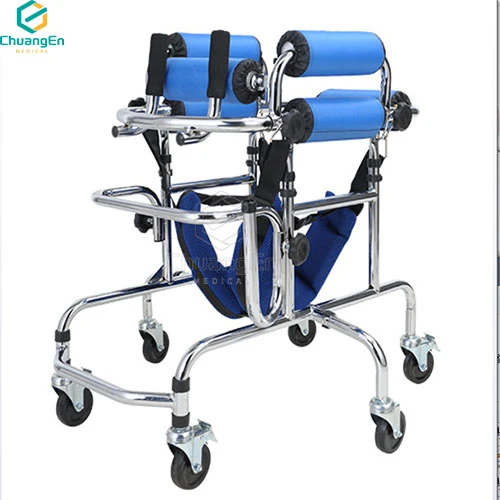
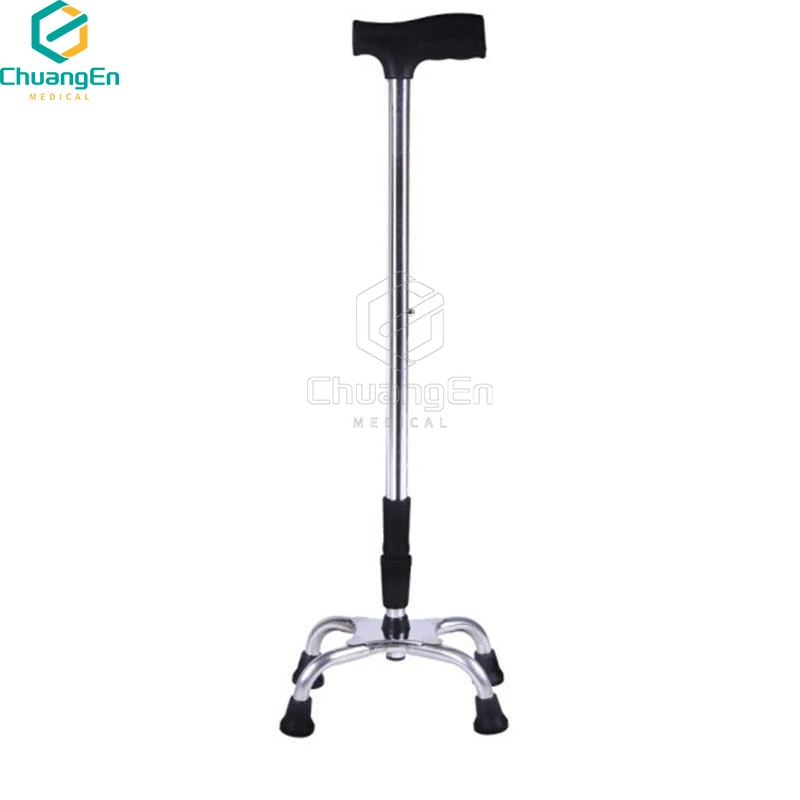
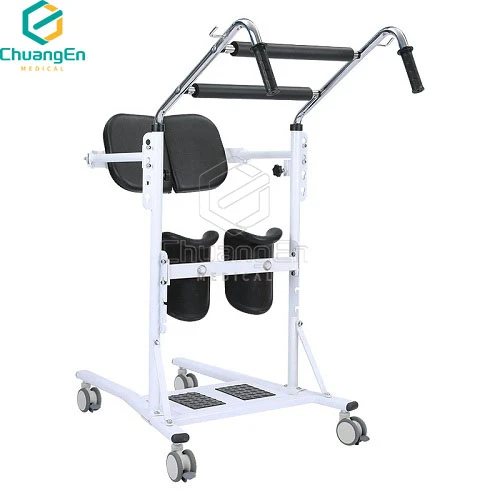
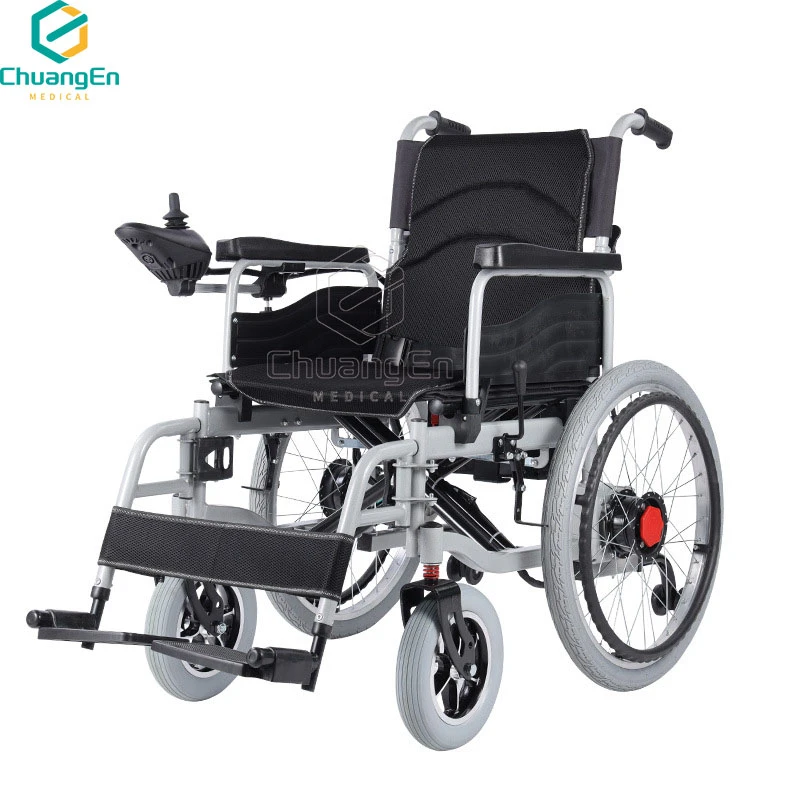
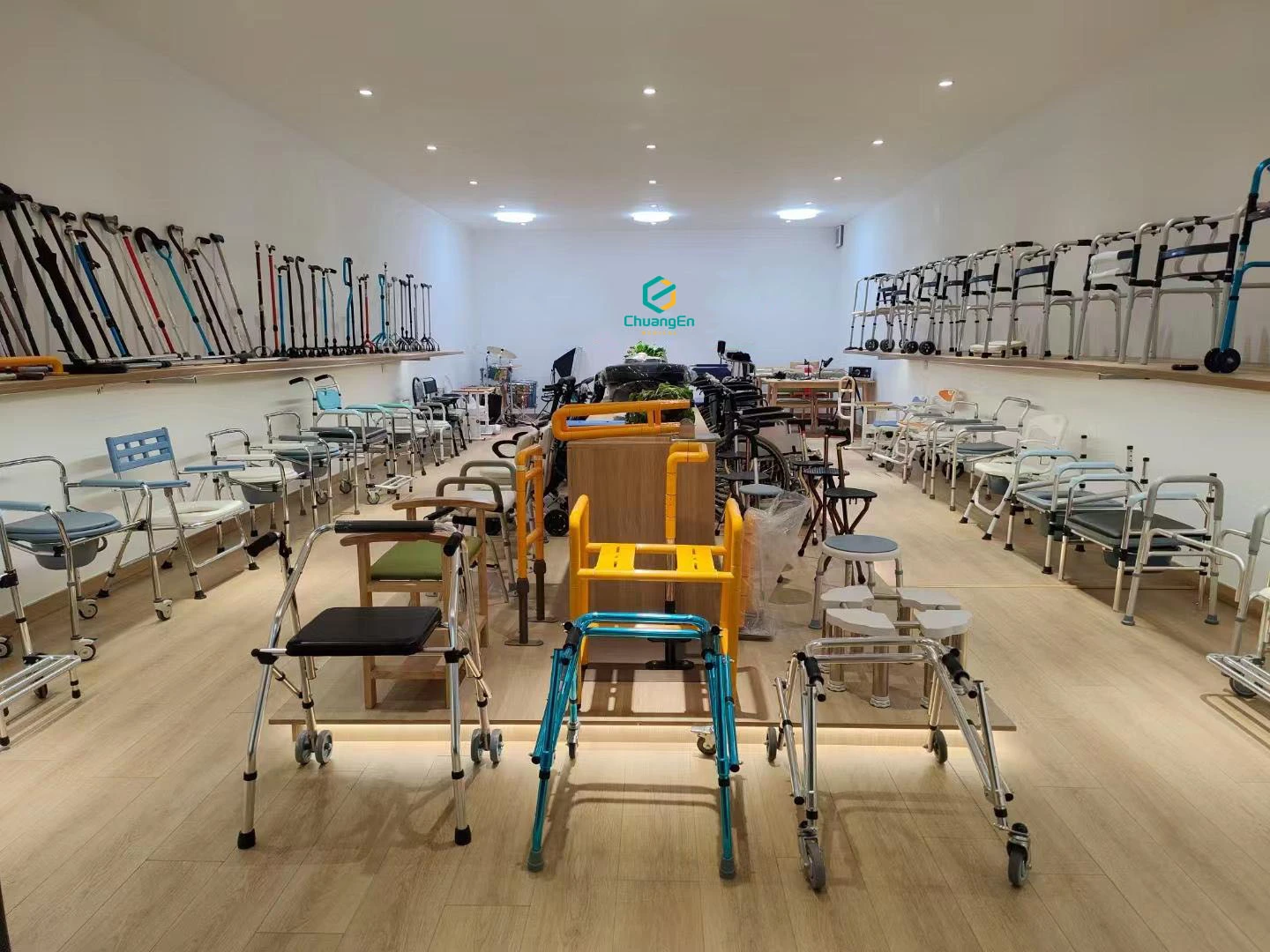
A transfer chair is a specialized mobility aid designed to help individuals move safely from one place to another—such as from a bed to a wheelchair, from a wheelchair to a car, or from a chair to a toilet. Unlike standard wheelchairs, transfer chairs are typically lighter, more compact, and focused on short-distance movement and assisted transfers rather than independent mobility.
In this blog, we’ll explore what a transfer chair is, how it works, its key benefits, and how to choose the right one for your needs.
What Is a Transfer Chair?
A transfer chair is a lightweight mobility device equipped with small wheels, a sturdy frame, and handles for caregivers to push. It is designed primarily for short-distance transportation and safe patient transfer, especially in indoor or controlled environments like homes, hospitals, and care facilities.
Unlike traditional wheelchairs, transfer chairs:
- Are more compact and portable
- Require caregiver assistance for movement
- Focus on ease of transfer rather than long-term sitting
They are widely used for elderly individuals, patients recovering from surgery, or people with limited mobility.
Key Features of a Transfer Chair
Modern transfer chairs come with several features that enhance safety, comfort, and usability:
1. Lightweight Frame
Most transfer chairs are made from aluminum or steel, making them easy to carry and transport.
2. Foldable Design
They can be quickly folded for storage or travel, making them ideal for families on the go.
3. Safety Brakes
Rear-wheel locking systems ensure stability during transfers.
4. Swing-Away Footrests
Footrests can be moved aside to allow easier entry and exit.
5. Seat Belts
Provide added security during movement.
6. Ergonomic Handles
Caregivers can comfortably push and maneuver the chair.
Benefits of Using a Transfer Chair
Improved Safety
Transfer chairs reduce the risk of falls and injuries during movement, especially for individuals with weak balance or limited strength.
Caregiver Support
They make it easier for caregivers to assist patients without excessive physical strain.
Portability
Because of their compact and foldable design, transfer chairs are perfect for travel, hospital visits, and daily errands.
Cost-Effective
Compared to full-featured wheelchairs, transfer chairs are generally more affordable while still meeting essential mobility needs.
Transfer Chair vs. Wheelchair: What’s the Difference?
Understanding the difference between a transfer chair and a wheelchair helps in making the right choice:
| Feature | Transfer Chair | Wheelchair |
|---|---|---|
| Wheel Size | Small | Large rear wheels |
| Mobility | Caregiver-assisted | Self-propelled or assisted |
| Weight | Lightweight | Heavier |
| Portability | Highly portable | Less portable |
| Usage | Short-distance transfers | Long-term mobility |
If the user needs independence, a wheelchair may be better. For assisted movement and convenience, a transfer chair is ideal.
Common Applications of Transfer Chairs
Transfer chairs are versatile and used in various settings:
- Home Care: Moving between rooms or furniture
- Hospitals: Patient transport between departments
- Rehabilitation Centers: Assisting recovery patients
- Travel: Airport assistance and car transfers
They are especially useful in situations where space is limited or frequent transfers are required.
How to Choose the Right Transfer Chair
When selecting a transfer chair, consider the following factors:
Weight Capacity
Ensure the chair can safely support the user’s weight.
Seat Width and Comfort
Choose a seat size that provides adequate comfort and support.
Portability
Look for foldable models if you travel frequently.
Safety Features
Check for brakes, seat belts, and anti-tip design.
Material Quality
Durable materials ensure long-term reliability.
Maintenance Tips for Transfer Chairs
To keep your transfer chair in good condition:
- Regularly check brakes and wheels
- Clean the frame and seat
- Inspect for loose screws or parts
- Store in a dry place to prevent rust
Proper maintenance ensures safety and extends the lifespan of the chair.
FAQs About Transfer Chairs
What is a transfer chair used for?
A transfer chair is used to safely move individuals over short distances with caregiver assistance.
Can a transfer chair be self-propelled?
No, transfer chairs are designed to be pushed by a caregiver and are not suitable for self-propelling.
Are transfer chairs suitable for outdoor use?
They can be used outdoors on smooth surfaces, but they are primarily designed for indoor use.
Is a transfer chair covered by insurance?
Coverage depends on the provider and medical necessity. It’s best to check with your insurance company.
Conclusion
A transfer chair is a simple yet highly effective mobility solution for individuals who need assistance with movement. Its lightweight design, ease of use, and safety features make it an essential tool in both home care and medical environments.
Whether you are a caregiver or a user, choosing the right transfer chair can significantly improve daily comfort, safety, and overall quality of life.