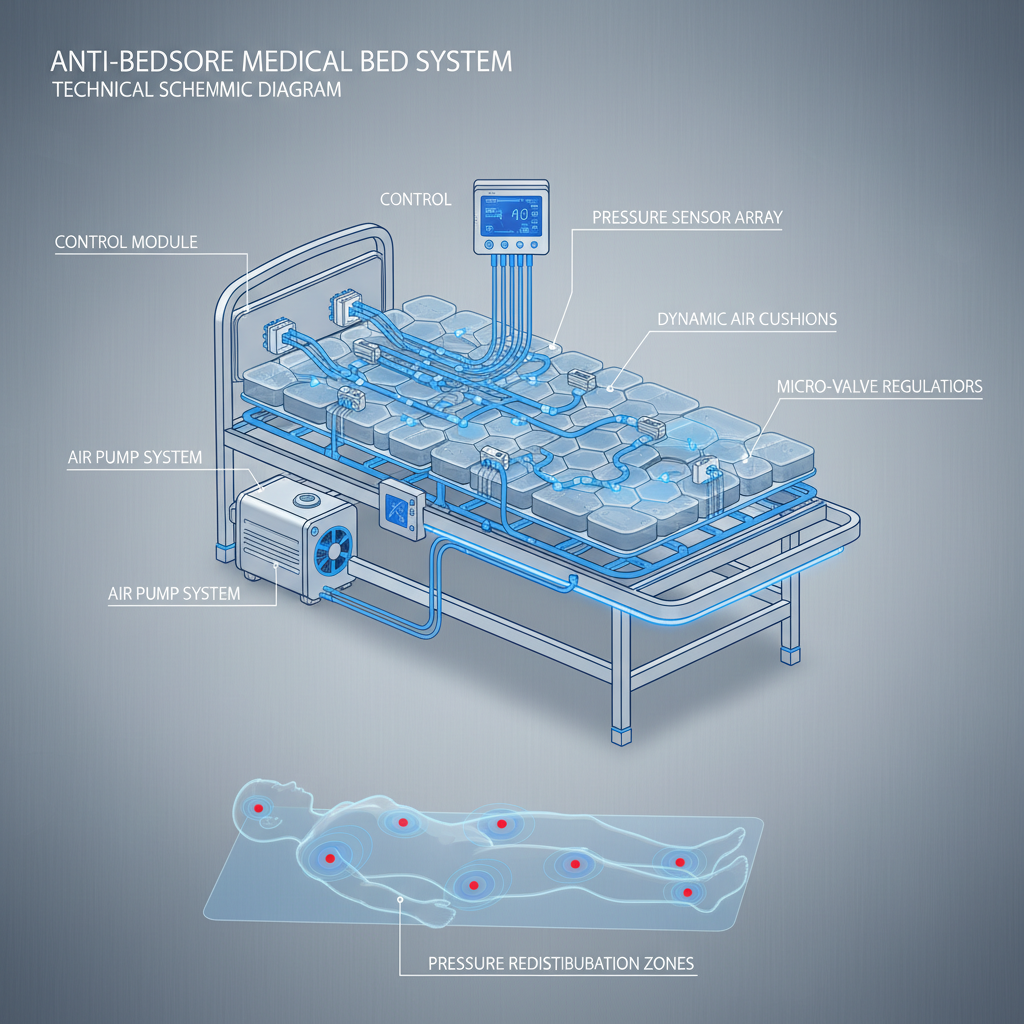
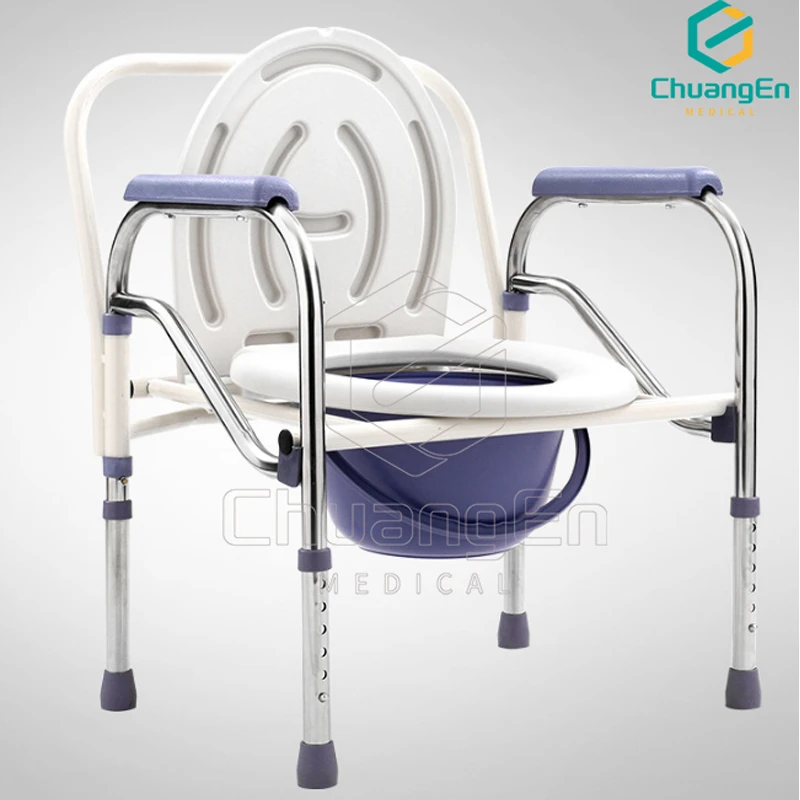
A commode chair is an essential aid designed to help elderly individuals, patients with limited mobility, and those recovering from surgery maintain dignity, comfort, and hygiene in their daily routine. One of its primary benefits is increased convenience and independence for users who may struggle to reach traditional bathroom facilities on time, especially during the night or in emergency situations. Our commode chairs are equipped with sturdy, rust-resistant frames, typically made of high-quality aluminum or steel, ensuring both durability and easy maintenance. The removable bucket is designed for simple emptying and cleaning, often with splash guards or lids for added hygiene. Many of our models are height-adjustable, allowing caregivers to customize the chair to suit the user’s specific physical needs and enhance comfort. Some versions also function as 3-in-1 chairs—used as standalone commodes, toilet safety frames, or placed over an existing toilet for better accessibility. The padded seat and armrests reduce pressure on joints and provide extra stability during transfers. Additionally, non-slip rubber tips or lockable wheels ensure safety on various floor types, whether in bedrooms, bathrooms, or hospital rooms. These features not only improve the user's physical safety but also offer emotional relief by preserving their privacy and minimizing dependency. Whether for home use or care institutions, a well-designed commode chair is a simple yet powerful tool for restoring confidence, comfort, and control in personal care routines.
How Do I Choose The Right Commode Chair For My Needs Or A Family Member?
Choosing the right commode chair involves evaluating the user’s mobility level, body size, living space, and specific caregiving needs. For users who are semi-mobile and require moderate assistance, a standard commode chair with fixed legs and a removable bucket may be sufficient for bedside use. If portability and convenience are a priority, a foldable or rolling commode chair with wheels is ideal, especially for caregivers who need to move the chair between rooms or assist with showering and toileting. For users who are heavier or need greater stability, we recommend bariatric models with higher weight capacities and reinforced frames. Additionally, chairs with padded seats and backrests provide extra comfort, which is especially important for long-term or frequent use. Look for features like adjustable height, flip-back armrests, and splash guards to improve usability and cleanliness. For those who prefer multi-functional options, 3-in-1 commode chairs can also serve as toilet risers or shower chairs, which are excellent for small living spaces or patients who need integrated care solutions. Also, consider whether the chair will be used independently or with assistance—some models come with locking wheels and handles for easier caregiver maneuvering. The right choice will depend on balancing comfort, practicality, and safety, and we’re always happy to provide professional suggestions based on your needs. A well-chosen commode chair not only simplifies daily hygiene routines but also significantly reduces physical and emotional strain for both the user and the caregiver.
Types of Commode Chairs
Choosing the right commode chair depends on the user’s mobility level, body type, and daily care needs. With multiple designs available, understanding the differences between each type can help you make a confident and practical decision. Below is a comparison of the most popular options, each designed to meet specific usage scenarios.
An adjustable commode chair is one of the most versatile choices for home care. It typically features height-adjustable legs, allowing caregivers to customize the seat level for safer transfers and better alignment with beds or toilets. This type is ideal for elderly users or patients recovering from surgery, as it reduces strain on the knees and hips while improving comfort and accessibility.
The 3-in-1 commode chair is a highly practical solution for users who need flexibility. As the name suggests, it can function as a standalone bedside commode, a toilet safety frame placed over an existing toilet, or a raised toilet seat. This multi-purpose design makes it a cost-effective option, especially for households looking to maximize functionality without purchasing multiple assistive devices.
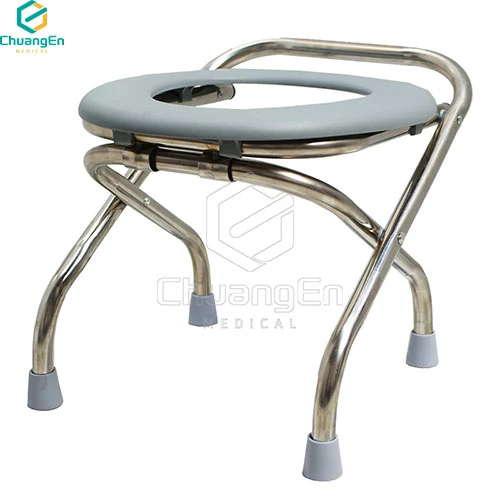
For those who prioritize portability, a folding commode chair is an excellent choice. Designed with a collapsible frame, it can be easily stored or transported, making it suitable for travel or temporary use. Despite its lightweight structure, many modern folding models still offer strong stability and adequate weight capacity, ensuring both convenience and safety.
A shower commode chair is specifically built for hygiene and bathing assistance. Made from waterproof and rust-resistant materials, it allows users to maintain personal cleanliness while seated. Many models come with wheels for easy movement between the bedroom and bathroom, making them especially useful in caregiving environments where mobility is limited.
For users requiring extra support, a bariatric commode chair is designed with reinforced frames and wider seats to accommodate higher weight capacities. These chairs prioritize stability, durability, and comfort, ensuring safe use for larger individuals without compromising structural integrity.
Ultimately, the best commode chair depends on your specific needs. If you require flexibility, a 3-in-1 model may be ideal; for travel, a folding design works best; and for long-term or specialized care, adjustable or bariatric options provide greater support. By matching the chair type to the user’s lifestyle and physical condition, you can significantly improve safety, comfort, and overall quality of life.
Commode Chair Use: Practical Support for Daily Hygiene and Mobility
A commode chair is a highly practical mobility aid designed to support safe and convenient toileting, especially for individuals with limited movement. Whether used at home or in healthcare settings, understanding proper commode chair use can significantly improve hygiene, comfort, and independence. For many families, choosing the right commode chair for elderly users is essential, as it helps reduce the risk of falls and minimizes the need for frequent trips to the bathroom—particularly during nighttime.
For seniors, a commode chair for elderly individuals is typically placed beside the bed, allowing easy access without navigating long distances. This is especially beneficial for those with arthritis, balance issues, or post-surgery limitations. Features like adjustable height, armrests, and anti-slip legs ensure stability and ease of transfer. Proper usage involves positioning the chair on a flat surface, locking wheels (if present), and ensuring the user is seated comfortably before use. Caregivers should also ensure regular cleaning to maintain hygiene and prevent infections.
In medical environments, the hospital commode chair plays a critical role in patient care. Hospitals and rehabilitation centers rely on these chairs to assist patients who are temporarily immobile or recovering from procedures. A hospital commode chair often comes with enhanced durability, higher weight capacity, and easy-to-clean materials to meet strict sanitation standards. Some models are multifunctional, doubling as shower chairs or transport chairs, which adds efficiency in clinical settings. Proper training for staff and caregivers ensures safe transfers and reduces strain during patient handling.
For expectant mothers, a commode chair for pregnant ladies offers added comfort and safety, particularly during the later stages of pregnancy when mobility becomes more challenging. Frequent bathroom needs combined with physical discomfort make a nearby commode chair a practical solution. A well-designed commode chair for pregnant ladies includes padded seating, supportive backrests, and ergonomic arm support to reduce pressure and enhance comfort. It also helps prevent unnecessary bending or straining, which is important for maternal health.
Overall, proper commode chair use is about more than convenience—it’s about improving quality of life. By selecting the right type for specific needs—whether it’s a commode chair for elderly, a hospital commode chair, or a commode chair for pregnant ladies—users can achieve greater independence, safety, and dignity in daily routines.
Commode Chair with Wheels vs Without Wheels: Pros and Cons
When selecting the right bathroom safety equipment, the choice between a wheeled commode chair and a stationary commode chair depends heavily on the user's level of mobility and the caregiver's environment. Both designs serve as vital aids for individuals with limited mobility, but their functional advantages vary significantly.
Commode Chair with Wheels (Mobile Commode)
Commonly referred to as a shower-commode chair, these models are designed for versatility and transit.
Pros:
Versatile Transport: These chairs function as a "transfer chair for bath" and a mobile toilet in one. Caregivers can move the patient directly from the bedroom to the bathroom without multiple transfers.
Dual Functionality: Most wheeled models are designed with waterproof materials, allowing them to be rolled directly into a roll-in shower.
Reduced Caregiver Strain: The ability to wheel the patient minimizes the need for manual lifting, significantly lowering the risk of musculoskeletal injuries.
Cons:
Stability Concerns: Even with locking casters, wheeled chairs can feel less "grounded" than stationary models, which may cause anxiety for users with severe balance issues.
Space Requirements: They generally have a larger footprint and require adequate floor space to maneuver through doorways and around tight bathroom corners.
Commode Chair Without Wheels (Stationary Commode)
The stationary commode is the traditional choice for bedside use or as a toilet safety frame.
Pros:
Maximum Stability: With four fixed legs and non-slip rubber tips, stationary chairs offer a rock-solid foundation for users who need to lean heavily on the armrests while sitting or standing.
Simplicity and Price: These models are typically more affordable, easier to assemble, and require virtually zero maintenance.
Adjustable Height: Most stationary commodes feature highly adjustable telescopic legs, making it easier to match the height of a specific bed or existing toilet.
Cons:
Fixed Location: They lack portability. Moving the chair between rooms requires the caregiver to carry it, which is impractical for frequent transfers.
Increased Transfers: To use the shower, a patient must transfer out of the stationary commode and into a separate shower seat, increasing the risk of falls.
Summary Verdict
Choose a wheeled commode chair if you need to transport the patient between rooms or use the chair inside a shower. Opt for a stationary commode chair if the primary goal is bedside safety and the user possesses enough strength to perform short-distance pivots independently.
Commode Chair FAQs
1. What is a commode chair?
A commode chair is a portable toilet designed for individuals who have difficulty accessing a standard bathroom. It typically includes a seat, a removable bucket, and a supportive frame, making it ideal for bedside or home care use.
2. Who should use a commode chair?
Commode chairs are commonly used by:
- Elderly individuals with limited mobility
- People recovering from surgery or injury
- Patients with disabilities or chronic conditions
- Anyone who cannot easily reach a bathroom
They help improve safety and independence in daily toileting.
3. What are the different types of commode chairs?
Common types include:
- Bedside commode chairs (standalone units)
- 3-in-1 commode chairs (can be used over a toilet, bedside, or as a raised seat)
- Commode chairs with wheels (for easy transport)
- Shower commode chairs (waterproof for bathroom use)
- Bariatric commode chairs (for higher weight capacity)
4. Can a commode chair be used over a regular toilet?
Yes, many 3-in-1 commode chairs are designed to fit over a standard toilet. This allows users to use it as a raised toilet seat with added arm support for easier sitting and standing.
5. How much weight can a commode chair support?
Weight capacity varies by model:
- Standard models: 250–300 lbs (113–136 kg)
- Heavy-duty (bariatric) models: 300–700 lbs (136–318 kg)
Always check manufacturer specifications before purchasing.
6. How do you clean a commode chair?
Cleaning involves:
- Emptying and rinsing the removable bucket after each use
- Using disinfectant to sanitize the seat and frame
- Drying thoroughly to prevent bacteria and odors
Regular cleaning ensures hygiene and prolongs product life.
7. Can a commode chair be used in the shower?
Only shower commode chairs are designed for wet environments. These models are made with waterproof materials such as aluminum or stainless steel and have drainage-friendly seats.
8. What features should I look for in a commode chair?
Key features include:
- Adjustable height
- Armrests and backrest for support
- Non-slip feet or locking wheels
- Removable bucket with lid
- Foldable frame for storage
9. Are commode chairs safe to use?
Yes, when used correctly. Safety depends on:
- Stable placement on a flat surface
- Proper weight capacity
- Use of brakes (for wheeled models)
- Regular inspection for wear and damage
10. What is the difference between a commode chair and a raised toilet seat?
A commode chair is a portable, standalone unit with its own waste container, while a raised toilet seat is an attachment placed on an existing toilet to increase seat height.
11. Can commode chairs be folded for storage or travel?
Some models are foldable and lightweight, making them easy to store or transport. These are ideal for travel or temporary use.
12. How much does a commode chair cost?
Prices vary depending on features:
- Basic models: $30 – $80
- Mid-range models: $80 – $200
- Advanced or wheeled models: $200+
13. Do commode chairs require assembly?
Most commode chairs require minimal assembly, usually without tools. Instructions are typically included, and setup takes only a few minutes.
14. How do I choose the right commode chair?
Consider:
- User’s mobility level
- Weight capacity requirements
- Intended use (bedside, shower, over toilet)
- Space available at home
- Budget
15. Are commode chairs covered by insurance?
In some cases, commode chairs may be covered under medical insurance or programs like Medicare (in the U.S.) if prescribed by a doctor. Coverage varies, so it’s best to check with your provider.