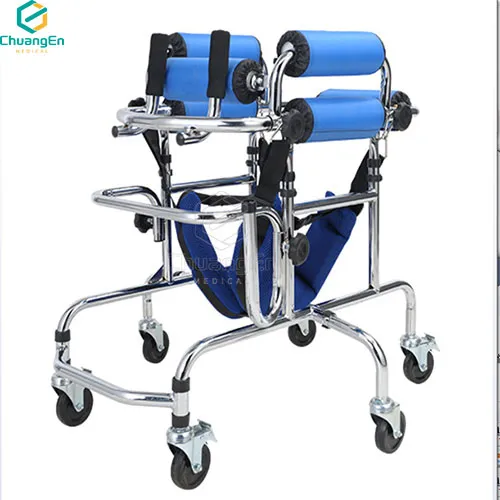
Pediatric Support and Electric Wheelchair China Quality Guide
For children facing the challenges of hemiplegia or cerebral palsy, the right mobility equipment is not just a convenience—it is a gateway to independence. The Pediatric Support Wheelchair is meticulously engineered to address the complex postural requirements of developing children, ensuring that physical limitations do not hinder their ability to explore and engage with the world. By combining rigorous anatomical support with intuitive safety mechanisms, this device transforms the daily experience of both the child and the caregiver.
Whether integrated into a clinical rehabilitation program or used for daily home navigation, the focus remains on stability and spinal alignment. From the adaptive lateral supports to the pneumatic assist systems, every detail is designed to foster confidence and secure exploration. This approach ensures that children can maintain an optimal seated posture, which is critical for long-term musculoskeletal health and overall quality of life.

Precision Postural Support for Developing Pediatric Anatomy
Correct alignment of the spine and pelvis is the cornerstone of pediatric rehabilitation. Children with hemiplegia often struggle with trunk stability, which can lead to secondary complications if not managed. This support wheelchair utilizes a concave, comfortable headrest and width-adjustable lateral support pads that work in tandem to cradle the child. This system provides the necessary stability for the trunk and head, preventing leaning and promoting a symmetrical posture.
To accommodate the natural growth of the child, the equipment features fully adjustable footplates and leg rests. These adjustments allow caregivers to ensure perfect positioning for developing limbs, reducing the risk of contractures and improving circulation. By providing a stable base of support, the chair enables the child to focus their energy on interacting with their surroundings rather than struggling to stay upright.
The integration of a 7cm thick seat cushion further enhances comfort during prolonged use, distributing pressure evenly across the seating surface. This reduces the risk of pressure sores and ensures that the child remains comfortable throughout their daily adventures, whether in a classroom or at home.

Advanced Safety Mechanisms and Effortless Operation
Safety is the highest priority when designing mobility aids for children. To eliminate the anxiety associated with backward falls, the chair incorporates an innovative anti-tipping design. This mechanical safeguard provides invaluable peace of mind for parents and therapists, allowing the child to move more freely without the constant risk of instability.
Navigating diverse terrains requires wheels that are both durable and low-maintenance. The use of solid puncture-proof front casters ensures that the wheelchair remains operational in all environments, from smooth indoor floors to slightly uneven outdoor paths. Because these casters are puncture-proof, they remove the need for frequent maintenance or the danger of flat tires during critical outings.
One of the most significant engineering additions is the pneumatic assist lever. This feature allows caregivers to recline the backrest to the ideal angle for rest, therapy, or play with a single, gentle motion. This ease of operation reduces the physical strain on the caregiver and allows for rapid transitions between different activity modes, making the device truly versatile for daily care.
Integrating Mobility Aids into Long-term Rehabilitation Goals
A wheelchair should be viewed as a tool for empowerment rather than just a means of transport. For children with cerebral palsy or hemiplegia, the ability to maintain a steady gaze and an upright torso is essential for developing social skills and cognitive engagement. By providing high-level lateral and head support, this chair facilitates better eye contact and interaction with peers, which is a vital part of emotional development.
From a clinical perspective, the adjustable nature of the leg rests and footplates allows therapists to customize the seating angle to suit specific therapeutic needs. Whether the goal is to improve hip stability or to provide a secure position for upper-body exercises, the equipment adapts to the prescription. This flexibility ensures the device remains useful as the child grows and their rehabilitation milestones evolve.
When sourcing high-quality mobility solutions, such as an electric wheelchair china based manufacturers might provide, the focus must remain on ISO-certified quality systems. Shijiazhuang Chuangen Technology Co., Ltd. ensures that such critical medical devices are produced under ISO13485:2016 standards, guaranteeing that every weld and joint meets the structural integrity required for pediatric safety.
Technical Specifications and Capacity Framework
| Parameter Item | Specification Value | Operational Impact | Requirement Level |
|---|---|---|---|
| Load Capacity | 100kg | Supports growth and varied child sizes | High Stability |
| Net Weight | 20kg | Balances durability with maneuverability | Optimized |
| Overall Dimensions | 97cm (L) x 55cm (W) x 93cm (H) | Fits standard doorways and transport | Standard |
| Backrest Height | 45cm | Provides comprehensive spinal support | Essential |
| Seat Cushion | 7cm Thickness | Enhanced pressure distribution | Comfort-focused |
Quality Assurance in Medical Device Manufacturing
The production of pediatric medical equipment requires a stringent approach to quality control. The structural integrity of the frame is paramount, as it must withstand the daily rigors of active children while remaining lightweight. Shijiazhuang Chuangen Technology utilizes high-tech equipment for welding and cutting, ensuring that every component is precision-engineered. This technical rigor is backed by a complete inspection system that monitors every stage of production.
Adherence to international standards is not optional in the healthcare sector. Passing the ISO13485:2016 quality system certification indicates that the manufacturing process is designed specifically for medical devices, focusing on risk management and consistent product quality. Furthermore, CE certification on selected products demonstrates compliance with European safety, health, and environmental protection requirements.
By maintaining professional technical research personnel, the company is able to innovate new products that meet the needs of different disability levels. This R&D capability allows for the transition from standard designs to more specialized supports, such as those required for hemiplegic children, ensuring that the end product is a result of both engineering expertise and clinical understanding.
Strategic Procurement Considerations for Mobility Equipment
When procuring pediatric support wheelchairs for clinics, hospitals, or individual use, buyers should look beyond the initial price point. The long-term value of a mobility aid is found in its adjustability and the reliability of its after-sales service. A device that cannot grow with the child becomes obsolete quickly, increasing the total cost of ownership. Therefore, verifying the range of adjustability for footplates and lateral supports is a critical step in the evaluation process.
Supplier reputation and global reach also play a significant role in ensuring a stable supply chain. Working with a manufacturer that has established relationships with importers in 50 countries suggests a level of maturity in export logistics and a familiarity with diverse international regulatory standards. This global experience often translates to better documentation and more reliable shipping timelines.
Finally, the availability of professional technical support is essential. Because these chairs are used for medical rehabilitation, the ability to consult with the manufacturer on specific configurations for different types of cerebral palsy or hemiplegia can make a significant difference in the patient's outcome. A commitment to innovation and a competitive pricing structure allow for the deployment of high-quality aids to a wider range of users.
Common Inquiries Regarding Pediatric Support Wheelchairs
How does the lateral support system help children with hemiplegia?
The width-adjustable lateral support pads provide stability to the trunk, preventing the child from leaning to one side, which is common in hemiplegia. This helps in maintaining a centered posture and improves the child's ability to use their arms for interaction.
Is the recline function manual or powered?
The chair features a pneumatic assist lever, allowing the caregiver to effortlessly recline the backrest manually with a simple, gentle motion, providing flexibility for rest or therapy without needing complex electrical systems.
Are the wheels suitable for outdoor use?
Yes, the chair is equipped with solid puncture-proof front casters. These are durable and require no maintenance, making them ideal for various terrains while eliminating the risk of flat tires during outdoor activities.
Can the wheelchair be adjusted as the child grows?
Yes, the design includes fully adjustable footplates and leg rests to ensure that the positioning remains correct as the child's limbs develop, prolonging the useful life of the equipment.
What certifications does the manufacturer hold for safety?
The manufacturer, Shijiazhuang Chuangen Technology Co., Ltd., has passed the ISO13485:2016 quality system certification, and some products also hold CE certification, ensuring they meet international medical device standards.
What is the maximum weight capacity for this pediatric chair?
The wheelchair has a load capacity of 100kg, providing a significant safety margin for most pediatric users and ensuring stability across different growth stages.
Technical and Industry References
- World Health Organization - Assistive Technology Guidelines
- PubMed - Pediatric Postural Management Research
- ISO 13485 - Medical Devices Quality Management Systems
- European Commission - CE Marking Requirements
Selecting the right support wheelchair is a pivotal decision in a child's rehabilitation journey. By focusing on postural stability, safety, and growth-adaptability, caregivers can provide a foundation for lifelong independence and confidence.
Related Rehabilitation Technology Insights