Selecting a mobility solution often involves a difficult trade-off between stability and portability, especially when evaluating a china folding electric wheelchair for elderly care or rehabilitation. For many users, the primary challenge is not just the ability to move, but the ability to integrate that movement into a lifestyle that includes travel, limited storage space, and the need for quick deployment without caregiver strain.
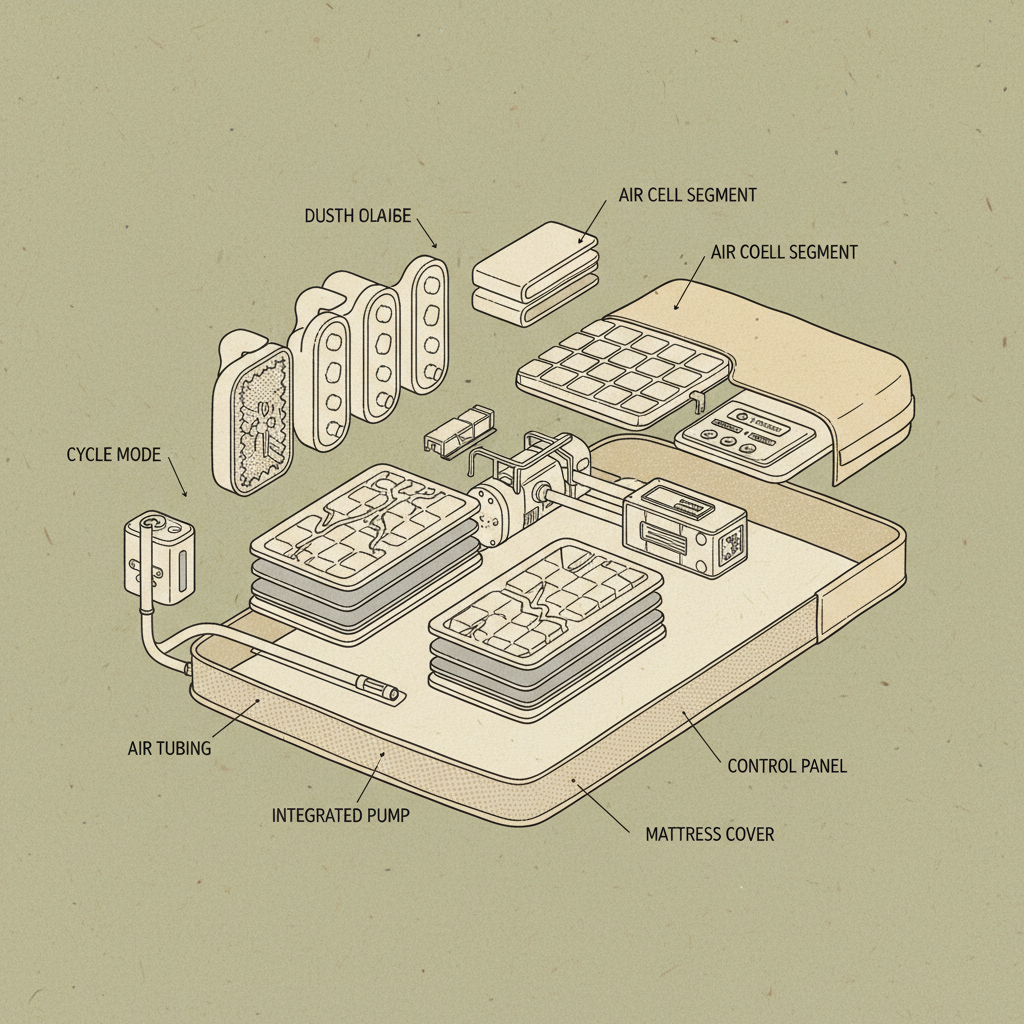
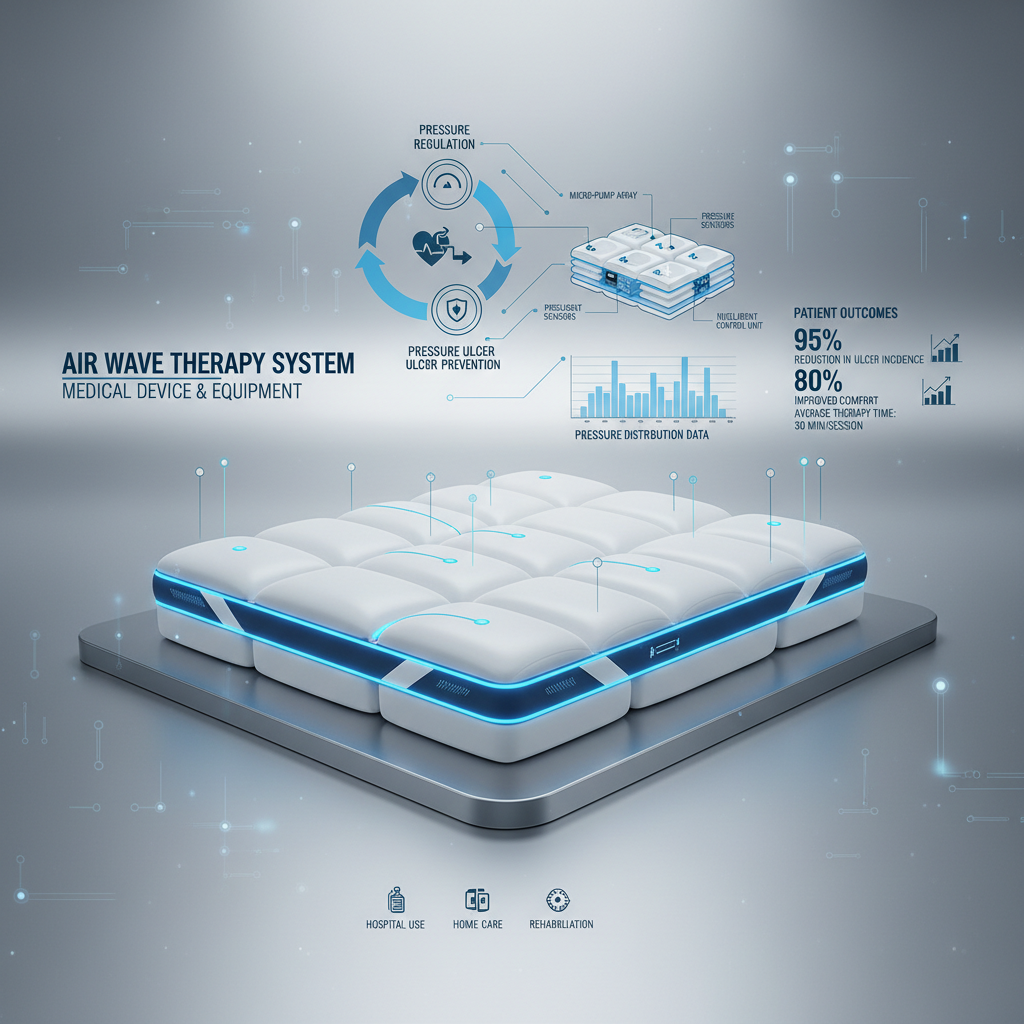
This balance is critical because a device that is too heavy remains unused, while one that is too lightweight may compromise the structural integrity required for long-term daily use. In the context of broader healthcare equipment—ranging from Anti-Bedsore Mattress and Commdoe Chair to specialized Electric Transfer Chair options—the wheelchair serves as the primary vehicle for independence, making its design specifications a matter of clinical and personal importance.
By analyzing the technical intersection of lightweight alloys and motorized efficiency, we can determine how to optimize procurement for nursing homes and home care providers. This guide examines the operational logic behind the china folding electric wheelchair to help procurement managers and clinicians make evidence-based decisions that reduce long-term TCO.


The core architecture of a folding electric wheelchair relies on the synergy between a collapsible chassis and a distributed power system. Unlike rigid frames, these devices utilize high-strength locking hinges and aircraft-grade aluminum or carbon fiber to maintain structural rigidity while allowing for a compact footprint. This engineering allows the user to transition from a fully operational mobility aid to a portable unit in seconds.
Beyond the frame, the integration of brushless DC motors and lithium-ion battery packs ensures that the weight remains manageable without sacrificing torque. This is essential for navigating varied terrains, from hospital corridors to outdoor pavements, ensuring that the "folding" aspect does not lead to "flexing" or instability during high-load movements.
When evaluating a china folding electric wheelchair, the quality of the joint mechanisms is the most significant predictor of lifespan. Low-grade hinges tend to develop "play" or looseness after repeated folding cycles, which can lead to alignment issues and increased wear on the motor drive. Medical-grade hardware must undergo rigorous stress testing to ensure that the locking mechanism remains secure under maximum weight capacity.
The critical safety metric for folding wheelchairs is the stability-to-weight ratio; using ISO 13485 certified production lines ensures that the frame can handle dynamic loads without compromising the user's center of gravity during turns.
Furthermore, the battery chemistry and charging circuitry must meet strict safety certifications (such as CE or FDA) to prevent thermal runaway, especially since these devices are often transported in vehicles or aircraft. The use of flame-retardant materials in the seating and wiring is not just a feature, but a clinical necessity for patients with limited mobility who cannot quickly exit the device in an emergency.
The true value of a folding electric system is realized in the reduction of caregiver burden. In facilities where space is at a premium, the ability to fold a wheelchair allows for more efficient room layouts and easier transport in elevators and vans. This operational efficiency directly impacts the TCO by reducing the time staff spend on logistics and equipment management.
For the end-user, the psychological value of independence is paramount. A lightweight, easy-to-transport wheelchair encourages social engagement and travel, which are linked to better mental health outcomes for the elderly and disabled. When paired with other supports like a Hydraulic Transfer Chair or Walker /Walking Aids, it creates a comprehensive mobility ecosystem.
Procurement managers must look beyond the initial purchase price and analyze the lifecycle cost. A cheaper unit may save 20% upfront but cost 50% more in maintenance due to poor hinge quality or inefficient battery cycles. Evaluating the "cost per mile" and the availability of replacement parts is the only way to ensure a sustainable investment for large-scale healthcare providers.
Comparing a folding electric model against a manual transfer chair or a rigid electric model reveals a clear divide in application. While rigid models offer slightly better energy efficiency, the folding model wins in versatility. For providers serving a diverse patient base, the folding versatility outweighs the marginal energy loss, as it fits more varied transport and storage scenarios.
In residential home care, the china folding electric wheelchair is often the centerpiece of the patient's day. It must integrate with domestic environments, meaning the turning radius must be tight enough for narrow hallways and the folding mechanism simple enough for a spouse or family member to operate without professional training.
In institutional settings, such as nursing homes, the focus shifts to sanitation and durability. Frames must be compatible with medical-grade disinfectants without corroding, and the fabrics must be tear-resistant and breathable to prevent skin breakdown. This is where the synergy with products like the Anti-Bedsore Mattress becomes evident, as both focus on protecting the patient's skin integrity during long periods of use.
The industry is moving toward "one-touch" folding systems that utilize motorized actuators to collapse the frame. This removes the physical effort entirely from the caregiver. We are also seeing a rise in smart controllers that can adjust speed and torque based on the detected incline, preventing the wheelchair from rolling backward on slopes—a common safety concern with older folding models.
Another trend is the adoption of modular battery systems. Instead of one large, heavy battery, new designs use smaller, swappable packs. This not only makes the wheelchair easier to fold and lift but also ensures that the user is never stranded, as they can simply swap in a fully charged pack. This modularity is a direct response to the needs of active users who travel frequently.
Finally, the integration of IoT for remote diagnostics is beginning to appear. Maintenance teams can now receive alerts when a motor is underperforming or a battery's health is declining, shifting the maintenance model from reactive to predictive, which significantly extends the device's operational life.
The most frequent challenge in deploying folding electric wheelchairs is the "weight paradox"—where the desire for more battery life increases the total weight, making the folding feature less useful. The solution lies in the use of high-energy-density lithium cells and lightweight alloys that maintain strength while shedding kilograms.
Another issue is the wear and tear on the folding joints. To solve this, manufacturers are implementing reinforced pivot points and providing clear lubrication schedules. For procurement teams, the solution is to specify "industrial-grade" hinges in their RFPs to ensure the product can withstand thousands of cycles.
Finally, compliance and certification remain hurdles. Many low-cost imports lack the necessary CE or ISO certifications, posing a liability risk to healthcare facilities. Partnering with a manufacturer like Shijiazhuang Chuangen Technology Co., Ltd., which adheres to ISO 13485:2016, eliminates this risk by providing fully documented and certified equipment.
| Feature | Folding Electric | Rigid Electric | Manual Transfer |
|---|---|---|---|
| Portability | High (Foldable) | Low (Fixed) | Medium |
| Storage Space | Minimal | Substantial | Moderate |
| Weight Capacity | Standard (120kg) | High (150kg+) | Low (100kg) |
| User Independence | Very High | Very High | Low (Requires Aid) |
| Maintenance | Joint Lubrication | Battery Focus | Mechanical Wear |
| Best Use Case | Travel/Home Care | Full-time Use | Short Transfer |
The primary difference is the chassis architecture. A folding electric wheelchair uses hinges and locking mechanisms to collapse for transport, making it ideal for travel and small homes. A rigid wheelchair has a fixed frame, which generally offers slightly better energy efficiency and higher weight capacities but requires a dedicated vehicle or lift for transportation.
Regular maintenance is key. Ensure that the pivot points are kept clean of debris and lubricated according to the manufacturer's manual. Additionally, avoid overloading the chair beyond its specified weight capacity, as this puts excessive stress on the locking hinges and can lead to premature failure or instability.
Most are, provided they use certified lithium batteries that meet IATA regulations. You must check the Watt-hour (Wh) rating of the battery; batteries over 300Wh usually require special airline approval. Always provide the airline with the battery's MSDS (Material Safety Data Sheet) and the CE/FDA certifications to ensure seamless transport.
Prioritize certification and after-sales support. Ensure the supplier is ISO 13485 certified and that the products carry CE or FDA clearance. Additionally, evaluate the lead time for replacement parts and the warranty terms for the battery and motors, as these are the components most likely to require service over a 3-year lifecycle.
Yes, provided the model has appropriate tire tread and sufficient motor torque. While they are more portable, some light-duty models are designed only for indoor use. For outdoor application, look for "all-terrain" variants with larger wheels and reinforced suspension to handle cracks in pavement or gravel paths.
It works as part of a mobility chain. For example, an Electric Transfer Chair is used to move a patient from bed to the wheelchair. Once in the chair, the folding feature allows the patient to be moved easily into a vehicle for outings, while an Anti-Bedsore Mattress ensures the patient is well-rested and skin-protected before their mobility session.
The selection of a china folding electric wheelchair is more than a purchase; it is a strategic decision that impacts patient autonomy and caregiver efficiency. By focusing on the quality of the folding mechanisms, adhering to international safety certifications, and analyzing the total lifecycle cost, healthcare providers can implement a mobility solution that is both sustainable and effective. The shift toward lightweight, intelligent, and certified devices is redefining the standards of modern rehabilitative care.
For those seeking a partner capable of delivering ISO 13485 certified mobility solutions with a proven track record in over 50 countries, we invite you to explore our full range of professional equipment. Visit www.chuangenmedicals.com to view our technical specifications or contact our engineering team for a customized procurement quote.